Mental Health in the Trades: The Pressures Nobody Names and Where to Get Help
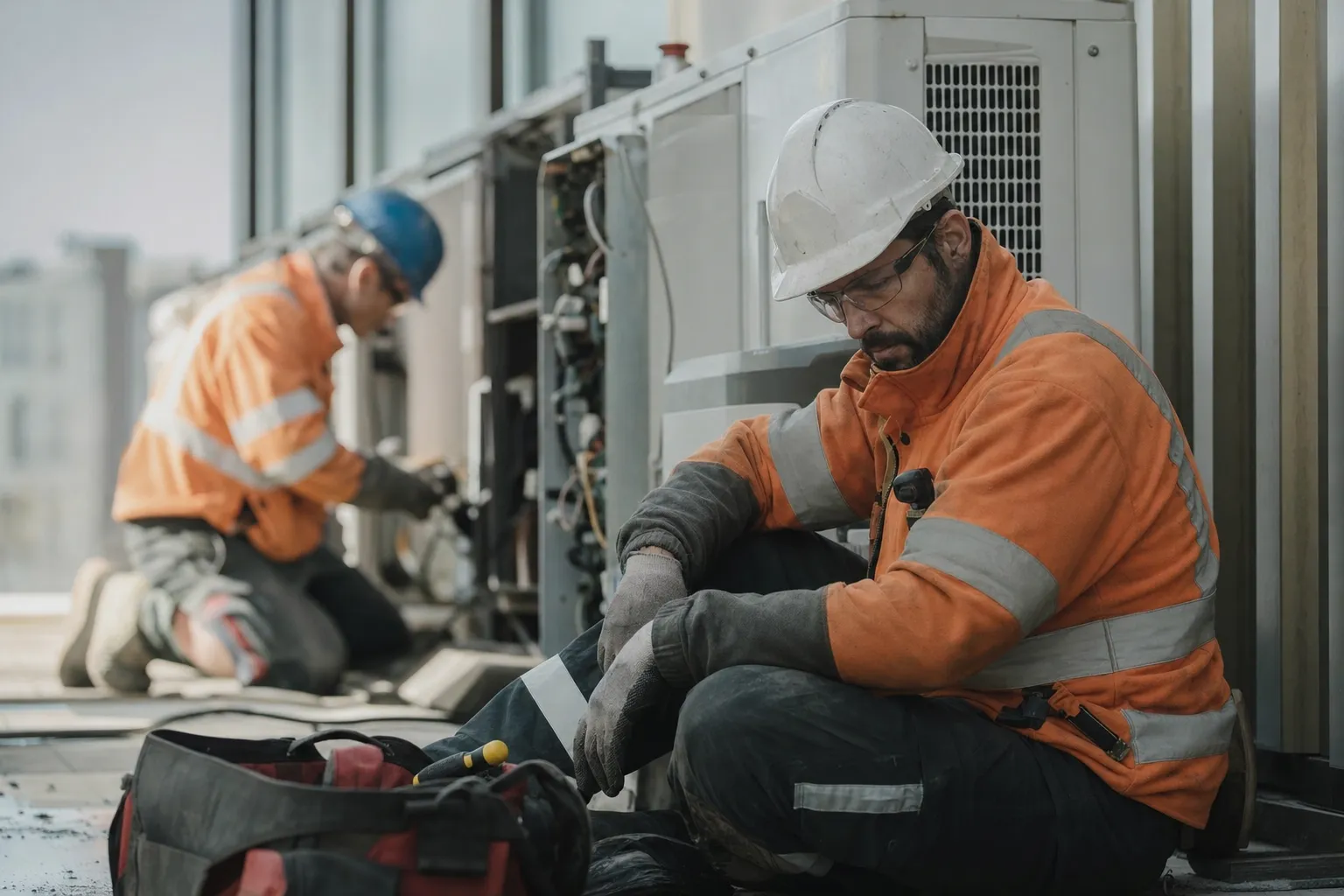
Walk into any break trailer at 6 a.m. and you will hear plenty of talk about schedules, parts delays, and the weather. What you almost never hear is someone saying the work is wearing them down. The skilled trades run on a culture of toughness, and that culture has a cost that rarely gets named out loud.
This is not a soft topic. Mental strain shows up in missed callbacks, short tempers, bad sleep, and a drink that turns into three. It affects the quality of your work and the length of your career. So it is worth talking about plainly, without the slogans.
The pressures nobody puts on the invoice
The trades pay well and the work is real, but the day-to-day carries weight that does not show up on a timesheet.
- Physical grind that never fully resets. Crawlspaces, attics in July, service calls in January. The body takes a beating, and chronic pain feeds low mood in a loop that is hard to break.
- Unpredictable schedules. On-call rotations, emergency jobs, and overtime that lands with no warning. When you cannot plan a family dinner or a weekend, isolation creeps in.
- Financial whiplash. Even in a trade where a journeyman can earn a strong living, a slow stretch or a season of fewer hours brings real stress. Money worries and mental strain travel together.
- The lone-wolf problem. A lot of trades work is solo. Hours of driving and single-tech service calls mean less human contact than most people assume, and loneliness is a documented mental health risk.
- Pressure to never slow down. Callbacks, warranty work, and the sense that asking for help makes you look weak. People push through pain and burnout because stopping feels like failing.
None of this means the trades are a bad path. HVAC service techs typically earn around $50K to $95K a year, electrical journeymen around $62K to $125K, and plumbing journeymen around $60K to $130K. These are solid, durable careers. But a good wage does not cancel out the strain, and pretending otherwise is part of the problem.
Why the culture makes it harder
The trades reward people who show up, keep quiet, and get the job done. That same mindset makes it hard to admit when something is wrong. The result is a lot of workers carrying heavy loads alone, convinced that everyone else is handling it fine.
They usually are not. The person next to you on the crew is probably dealing with some version of the same thing. Naming it is the first move, and it does not have to be a speech. A simple check-in with a coworker you trust breaks the silence more than people expect.
Warning signs worth taking seriously
Mental strain does not always look like sadness. In the trades it often looks like:
- Sleep that is broken or nonexistent, then relying on energy drinks to function
- Anger that flares faster than it used to, on the job and at home
- Drinking or using to wind down, and needing more over time
- Losing interest in the work you used to take pride in
- Pulling away from friends, family, and the crew
- Thoughts that you would be better off not being here
That last one is not something to sit on. If you are having thoughts of suicide, you can call or text 988, the Suicide and Crisis Lifeline in the United States, any time of day. It is free and confidential. You do not have to be in a full crisis to use it.
Where to get help, from least to most formal
You do not have to jump straight to a therapist's office to start feeling better. There is a range, and small steps count.
Start with the people around you
The fastest relief for isolation is a real conversation. A coworker, a foreman you respect, a partner, or an old friend. You are not asking them to fix anything. You are just saying it out loud so you are not carrying it alone.
Check what your employer already offers
Many shops have an Employee Assistance Program, often called an EAP. These typically offer a handful of free, confidential counseling sessions and referrals, and most workers never use them because they do not know they exist. Ask HR or your office manager whether one is available. Using it does not go on your record with the boss.
Your union or trade association
If you are in a union, ask about member assistance programs and mental health resources. Many apprenticeship and journeyman programs have added support in recent years specifically because the trades recognized they had a problem.
Your regular doctor
A primary care visit is a low-key place to start. You can describe how you have been sleeping, drinking, and feeling, and they can point you toward treatment or screen for things that look like stress but are physical.
Crisis support
Again, 988 is there for call or text if things get dark. There is no threshold you have to hit to deserve that call.
How work conditions tie into all of this
Sometimes the strain is not inside your head. Sometimes it is the job. A shop that runs you ragged with unpaid on-call, no backup, and a boss who treats people as disposable will grind down anyone. Changing your environment is a legitimate form of self-care, not quitting.
If the shop you are in is burning you out and there is no sign that will change, a better-run employer can make a real difference. Steadier scheduling, a crew that has your back, and fair pay all lower the daily load. When you are ready to look, you can get matched with local shops that are hiring, and the service is free for workers because employers pay the placement fee only if they hire you. You can read how HyprStart works before you decide whether it fits where you are right now.
Small habits that hold up on a jobsite
You do not need a wellness app subscription. You need a few things that survive a 10-hour day.
- Protect your sleep like a tool you cannot work without. It is the single biggest lever for mood and focus.
- Move the drinking out of the automatic-relief slot. If it is the only way you unwind, that is worth a second look.
- Keep one non-work thing. A hobby, a gym, a weekly basketball game. Something that is yours.
- Know your limit on overtime. Money is good, but there is a point where the extra hours cost you more than they pay.
- Have one person you check in with. Not a crowd. One.
The trades are a career you can build a whole life on. Taking your mental health seriously is not a sign you are not cut out for it. It is how you stay in the work long enough to make it pay off.
Frequently asked questions
Why is mental health a bigger issue in the trades?
The trades combine several known risk factors: physical pain that does not fully reset, unpredictable schedules and on-call work, financial swings during slow seasons, and a lot of solo work that leads to isolation. On top of that, the culture rewards toughness and quiet, which makes people less likely to ask for help even when they need it.
Does a good trade salary protect you from burnout?
No. The pay in the trades is real, with HVAC service techs typically earning around $50K to $95K a year, electrical journeymen around $62K to $125K, and plumbing journeymen around $60K to $130K. But a strong wage does not cancel out physical strain, isolation, or burnout. Earning well and struggling mentally often happen at the same time.
Where can a trades worker get mental health help for free?
Start with what you may already have. Many employers offer an Employee Assistance Program, or EAP, with free confidential counseling sessions, and many unions and trade associations have member assistance programs. For crisis support, you can call or text 988, the Suicide and Crisis Lifeline in the United States, any time at no cost.
What are the warning signs I should pay attention to?
In the trades, strain often looks like broken sleep, a shorter temper, drinking more to wind down, losing interest in work you used to take pride in, pulling away from people, and thoughts that you would be better off not here. If you are having thoughts of suicide, call or text 988 right away. You do not have to be in a full crisis to reach out.
Will using my employer's EAP get back to my boss?
EAP counseling is designed to be confidential, and using it does not go on your record with your employer. Most workers never use these programs simply because they do not know they exist. It is worth asking HR or your office manager whether one is available.
Can changing jobs actually help with burnout?
Sometimes the strain comes from the job itself, like unpaid on-call, no backup, and a boss who treats people as disposable. A better-run shop with steadier scheduling, a crew that has your back, and fair pay can lower your daily load. Changing your environment is a legitimate response, not quitting on the trade.
Ready to get introduced, not ghosted?
Tell us what you do. We put you in front of local shops that are hiring. Free to apply.
Get matched →