Jobsite Safety Basics Nobody Teaches You on Day One
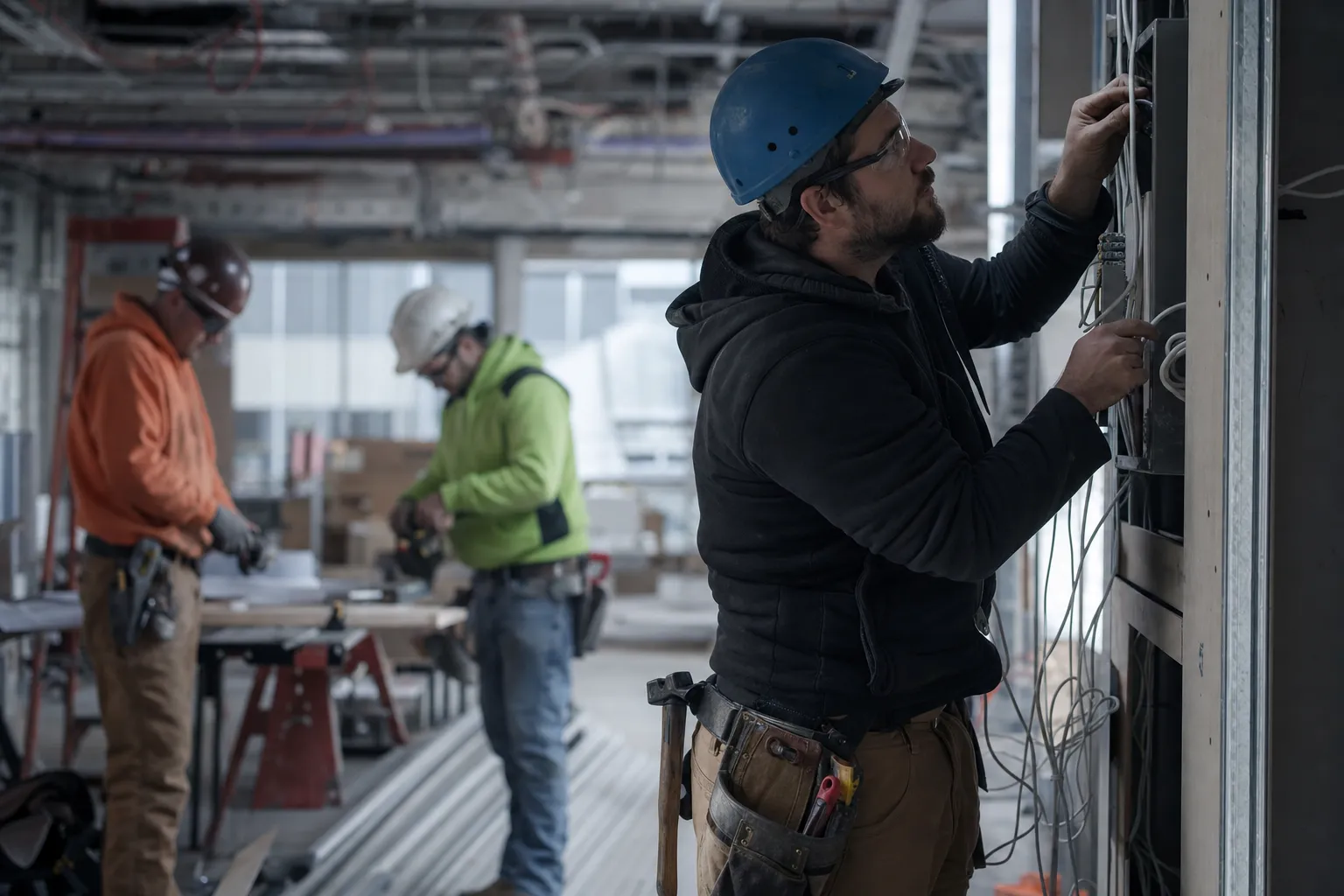
On most jobsites, day-one orientation covers where the bathroom is, where to park, and which forms to sign. The safety stuff that actually keeps you whole, you tend to learn the hard way, from a foreman yelling, from a near miss, or from watching someone older move a certain way. This guide gets ahead of that. None of it is complicated. Most of it is the difference between a long career and a short one.
The trades pay well because the work is real. A service tech in HVAC commonly earns in the $50K-95K/yr range, a journeyman electrician in the $62K-125K/yr range, and a journeyman plumber in the $60K-130K/yr range. You do not collect any of that from a hospital bed. Safety is not a lecture, it is how you protect the career you are building.
The habits that separate rookies from pros
Experienced tradespeople look calm on a jobsite because they have built routines that remove risk before it shows up. You can copy those routines from your first week.
- Walk the site before you work. Look for trip hazards, open holes, live circuits, standing water, and where the other trades are working above and below you.
- Know your exits. Before you get deep into a task, know two ways out of wherever you are.
- Assume nothing is off. A breaker someone flipped can get flipped back. A valve someone closed can get opened. Verify it yourself.
- Keep your work area clean. Most jobsite injuries are not dramatic. They are slips, trips, and falls over cords, tools, and debris.
Lockout tagout is not optional
The single most important habit across HVAC, electrical, and plumbing is controlling energy before you touch it. That means electrical power, but also water pressure, gas, and stored energy in capacitors and springs.
The rule is simple: you de-energize, you lock it out, you tag it with your name, and you verify it is dead with a meter or by testing. You do not trust that someone else did it. You do not trust a label. If your lock is on it, only you take your lock off. This is the habit that gets skipped when a job feels quick and routine, and quick routine jobs are exactly when people get hurt.
Personal protective equipment you actually wear
PPE only works if it is on you. The gear that matters most day to day:
- Eye protection. Metal shavings, refrigerant, solder splatter, and dust all end up at eye level. Wear safety glasses even for the two-minute task.
- Gloves matched to the task. Cut-resistant for sheet metal, insulated and rated for electrical work, chemical-resistant when you are around solvents or drain cleaners.
- Hearing protection. Repeated exposure to saws, hammer drills, and compressors adds up. You do not get your hearing back.
- Proper footwear. Slip-resistant soles and toe protection. Your feet are on hazards all day.
- Respiratory protection when you cut, grind, sand, or work in dusty crawlspaces and attics.
Ladders, lifts, and working at height
Falls are one of the most common serious injuries in construction. The basics are boring and they work.
- Use the right ladder for the height. Do not stand on the top rungs to reach.
- Maintain three points of contact when climbing.
- Set the ladder on stable, level ground and at the right angle.
- Do not carry loads up a ladder that keep you from holding on. Hoist tools separately.
- On a lift, wear your harness and clip in. Every time, not just when someone is watching.
Electrical hazards even non-electricians face
Even if you are in HVAC or plumbing, you work near power. Panels, disconnects, and live equipment are part of the job.
- Treat every wire as live until you prove otherwise with a meter.
- Keep one hand behind your back when testing near live equipment so current cannot cross your chest.
- Watch for water near electrical work. The two together are how routine tasks turn fatal.
- Do not defeat safety features on tools or equipment to save a minute.
Heat, cold, and the environments trades work in
HVAC techs bake in attics in summer and freeze on rooftops in winter. Plumbers work in crawlspaces and trenches. Electricians pull wire in unconditioned buildings. Your environment is a hazard.
- Hydrate before you are thirsty. By the time you feel it, you are already behind. Heat exhaustion sneaks up and wrecks your judgment, which is when mistakes happen.
- Watch for confined spaces. Crawlspaces, tanks, and pits can hold low oxygen or dangerous gas. Never enter a true confined space without training and a plan.
- Layer for cold and keep your hands functional. Numb fingers drop tools and miss grips.
Tools, silica, and the slow hazards
Some jobsite dangers are instant. Others build over years. Both matter.
- Cutting concrete, brick, or masonry releases silica dust that damages lungs over time. Use water or dust collection and wear a respirator.
- Keep guards on saws and grinders. They are there because people lost fingers without them.
- Inspect cords and tools before use. A cracked cord or a chipped blade is tomorrow's injury.
- Store and carry sharp tools so they cannot swing into you or a coworker.
Speak up, and the paperwork is real
The hardest safety skill for a new worker is social. When something feels wrong, you say so, even to someone with twenty years on you. Good shops respect that. A crew that mocks a rookie for stopping unsafe work is a crew to be careful around.
Understand your right to report hazards and refuse work you reasonably believe is dangerous, and know that jobsite injuries should always be documented and reported. Downplaying an injury to look tough can cost you coverage and care later.
Finding a shop that takes safety seriously
Safety culture is set by the employer. Some shops hand you a harness and mean it. Others treat gear as a suggestion. During interviews, ask how they handle lockout, PPE, and near-miss reporting. The answer tells you a lot about how you will be treated day to day.
If you are looking for a crew that runs a clean, professional site, you can get matched with local shops that are actively hiring, and there is no cost to you as a worker. You can also read how HyprStart works before you decide. We introduce you straight to employers hiring in your area, so you can ask the safety questions that matter before you take the job.
Safety basics are not glamorous. They are the quiet routines that let you work for thirty years and still count to ten on your fingers. Start them on day one, before anyone teaches you, and you will already be ahead of most rookies.
Frequently asked questions
What is the most important jobsite safety habit for a new trades worker?
Controlling energy before you touch anything. That means locking out and tagging out electrical power, water pressure, and gas, then verifying it is truly de-energized with a meter or a test. Do not trust a label or that someone else did it. If your lock is on it, only you remove your lock.
What PPE do I actually need every day in the trades?
The gear you should have on for routine tasks includes safety glasses, gloves matched to the task such as cut-resistant or electrically rated, hearing protection around loud tools, slip-resistant footwear with toe protection, and respiratory protection whenever you cut, grind, sand, or work in dusty crawlspaces and attics.
How do I stay safe working near electricity if I am not an electrician?
Treat every wire as live until you prove otherwise with a meter. Keep one hand behind your back when testing near live equipment so current cannot cross your chest, stay away from water near electrical work, and never defeat a tool or equipment safety feature to save time. HVAC and plumbing workers are around live equipment often.
How much do skilled trades jobs pay?
Pay varies by trade and role. Nationally, an HVAC service tech commonly earns in the $50K-95K/yr range, a journeyman electrician in the $62K-125K/yr range, and a journeyman plumber in the $60K-130K/yr range. These are market ranges, not a guarantee or a specific offer.
Can I refuse to do work I think is unsafe?
Yes. You have the right to report hazards and refuse work you reasonably believe is dangerous. Good employers respect a worker who stops unsafe work. Jobsite injuries should always be documented and reported, and downplaying an injury can cost you care and coverage later.
How do I know if a shop takes safety seriously before I take the job?
Ask during the interview how they handle lockout tagout, PPE, and near-miss reporting. The specifics in their answer tell you how you will be treated day to day. HyprStart introduces you directly to hiring employers, so you can ask these questions before accepting a role, at no cost to you.
Ready to get introduced, not ghosted?
Tell us what you do. We put you in front of local shops that are hiring. Free to apply.
Get matched →