How to Protect Your Back and Knees in the Trades So You Can Keep Working
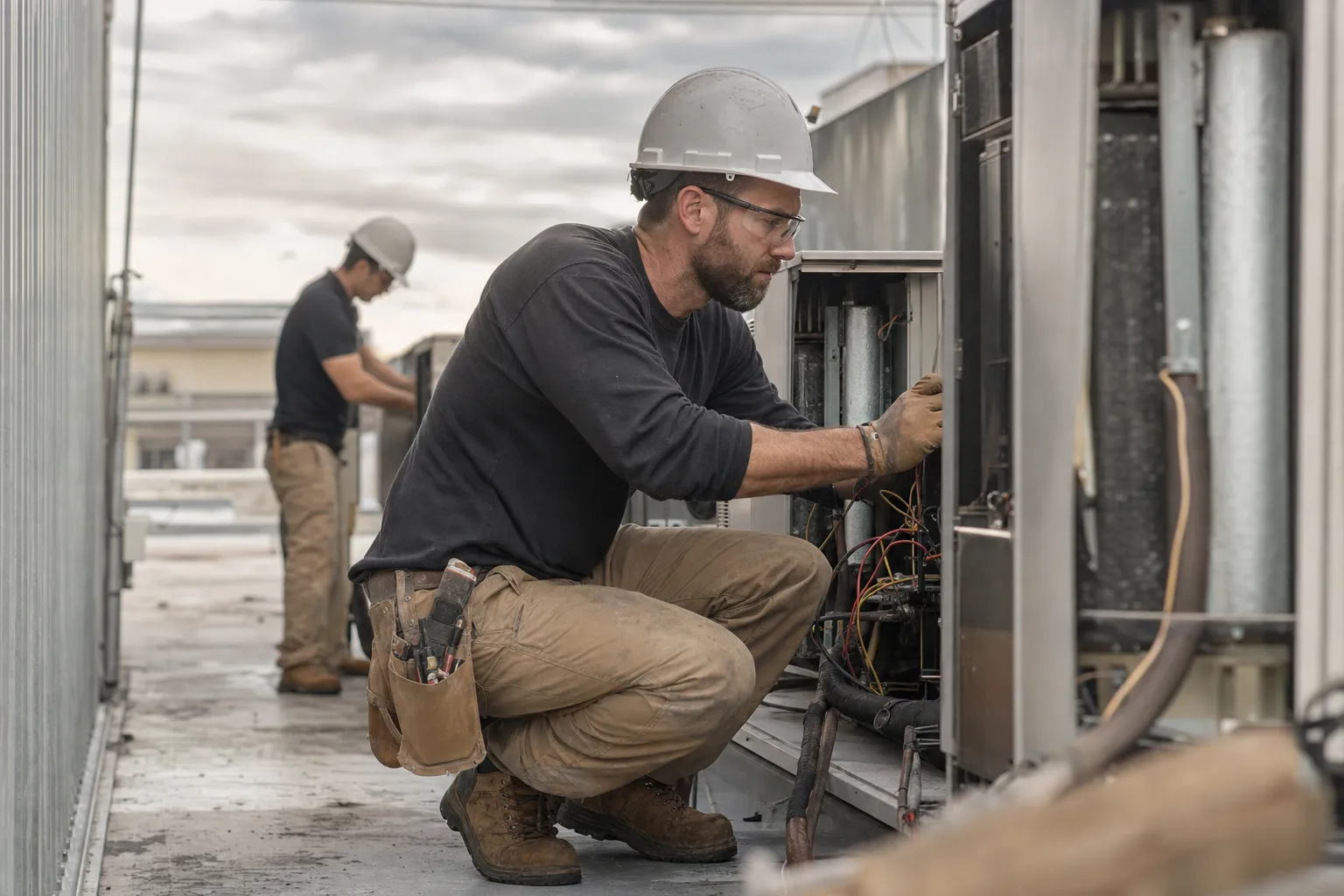
Crawl into one attic in July or spend a shift on a concrete slab and you learn fast: in the trades, your body is the tool you cannot replace. A journeyman plumber can earn a market range of about $60K to $130K a year, but only if the back and knees hold up long enough to keep showing up. The workers who last are not the ones who muscle through everything. They are the ones who built small habits early and kept them.
This is not a lecture about lifting with your legs. It is a look at the specific ways trades work wears down a body, and the habits that let people stay on the tools for decades instead of getting forced out early.
Why backs and knees are the first to go
HVAC, electrical, and plumbing all share the same physical pattern. You are on your knees in crawlspaces and under sinks. You are hauling equipment up ladders and through tight mechanical rooms. You are twisting to reach a fitting no one designed a human to reach. Over years, that adds up in two places: the lower back and the knees.
The money in these trades is real. Service techs in HVAC see a typical range of about $50K to $95K a year, and electrical journeymen a range of about $62K to $125K. But none of that matters if a chronic injury sidelines you at 45. The goal is to still be earning at 60, and that starts with treating your body like the long-term asset it is.
Habits that protect your back
The back is where most trades careers quietly end. It is rarely one heroic lift that does it. It is thousands of small, sloppy movements repeated over years.
- Get your hips under the load. Keep whatever you are lifting close to your body and let your legs and hips do the work, not your lower back bent at the waist. The farther a load is from your spine, the more strain it puts on it.
- Stop twisting under load. Turning your torso while holding something heavy is one of the fastest ways to strain a disc. Move your feet to face where the load is going instead of twisting to it.
- Break down heavy loads. Two trips beat one injury. Splitting a heavy box of fittings or a length of pipe into smaller carries is not slower over a career, it is faster, because you keep working.
- Use the equipment on the truck. Hand trucks, dollies, and lift straps exist for a reason. The pride of carrying it solo is not worth a month off.
- Warm up before the first heavy task. A couple of minutes of movement before you start crawling or lifting gets blood into the muscles that protect your spine. Cold muscles tear.
Habits that protect your knees
Knees take the punishment that backs get the credit for. Crawlspaces, attics, and floor work put you down on hard surfaces for hours.
- Wear knee pads and actually keep them on. The best knee pads are the ones you do not take off after the first hour. Find a pair that fits so you stop making excuses.
- Bring something to kneel on. A folded pad or a small mat under your knees on concrete changes how the day feels and how the next decade feels.
- Change positions often. Do not stay locked in one kneeling or squatting posture. Shift your weight, stand up, and reset every so often. Static pressure is what grinds a joint down.
- Stand up the smart way. Push up with your hands and legs instead of torquing sideways off one knee. The awkward twist to get up is where a lot of knee tweaks happen.
Recovery is part of the job
What you do off the clock decides how you feel on it. The trades reward a body that recovers, and that side of the work rarely gets talked about on the jobsite.
- Sleep like it is part of the trade, because it is. Muscle and joint repair happens when you rest.
- Hydrate, especially in HVAC attic and rooftop work. Dehydration makes muscles cramp and fatigue faster, and tired muscles stop protecting your joints.
- Do a little strength and mobility work. You do not need a gym membership. Basic hip, core, and leg work makes every lift on the job safer.
- Do not sit on pain. A tweak you treat this week is a problem. A tweak you ignore for a year is a career decision. Get real injuries looked at.
The habits that separate the people who last
The difference between a five-year trades career and a thirty-year one is almost never talent. It is the boring stuff done consistently. The tech who wears the knee pads, splits the heavy loads, and sleeps enough is the one still earning at the top of the range decades in. The one who muscles through everything to look tough is often the one who leaves the trade early with a bad back and no plan.
The pay makes the case on its own. If a plumbing or electrical journeyman can earn well into six figures at the top of the market range, then every year you add to your working life is worth real money. Protecting your body is not the opposite of ambition. It is how you cash in on it.
Where you work matters too
Habits are on you, but your shop shapes how sustainable the work is. Good employers have the right equipment on the trucks, do not push crews to skip the safe way to save 10 minutes, and treat a hurt worker like a person, not a problem. That kind of shop is worth finding.
That is where we come in. Tell us what you do and we will get matched with local shops that are hiring in your trade. Employers pay a placement fee only if they hire you, and you never pay anything. If you want to understand the process first, here is how HyprStart works. The best time to find a shop that respects your body and your career is before an injury forces the decision for you.
Frequently asked questions
How do I protect my back doing plumbing and HVAC work?
Keep loads close to your body and lift with your hips and legs instead of bending at the waist, avoid twisting while holding anything heavy, break heavy loads into smaller carries, use hand trucks and lift straps, and warm up before your first heavy task. These small habits repeated daily are what protect the lower back over a long career.
Are knee pads worth it for tradework?
Yes. Knees take heavy punishment from crawlspaces, attics, and floor work on hard surfaces. The best knee pads are the ones that fit well enough that you keep them on all day. Bringing a folded pad or mat to kneel on and changing positions often also protects the joint from the static pressure that grinds it down over years.
Why do so many trades workers get back and knee injuries?
HVAC, electrical, and plumbing all involve kneeling in tight spaces, hauling equipment, and twisting to reach awkward fittings. The damage rarely comes from one big lift. It builds up from thousands of small, sloppy movements repeated over years, which is why the lower back and knees are usually the first to give out.
Does protecting my body actually affect how much I earn in the trades?
It does over time. Market ranges run about $50K to $95K a year for an HVAC service tech, $62K to $125K for an electrical journeyman, and $60K to $130K for a plumbing journeyman. Reaching the top of those ranges takes years of experience, so every additional year your body lets you keep working is worth real money.
What should I do if I tweak my back or knee on the job?
Do not ignore it. A tweak you treat early is a minor problem, but the same injury ignored for a year can become a career-ending one. Get real injuries looked at, and prioritize sleep and hydration, which are when your muscles and joints actually recover.
How do I find a shop that respects safety?
Look for employers who keep the right equipment on the trucks, do not push crews to skip the safe way to save time, and treat hurt workers as people. HyprStart introduces you to local shops that are hiring in your trade, employers pay a fee only if they hire you, and the worker never pays anything.
Ready to get introduced, not ghosted?
Tell us what you do. We put you in front of local shops that are hiring. Free to apply.
Get matched →