How to Interview for Your First Trades Job When You Have No Experience
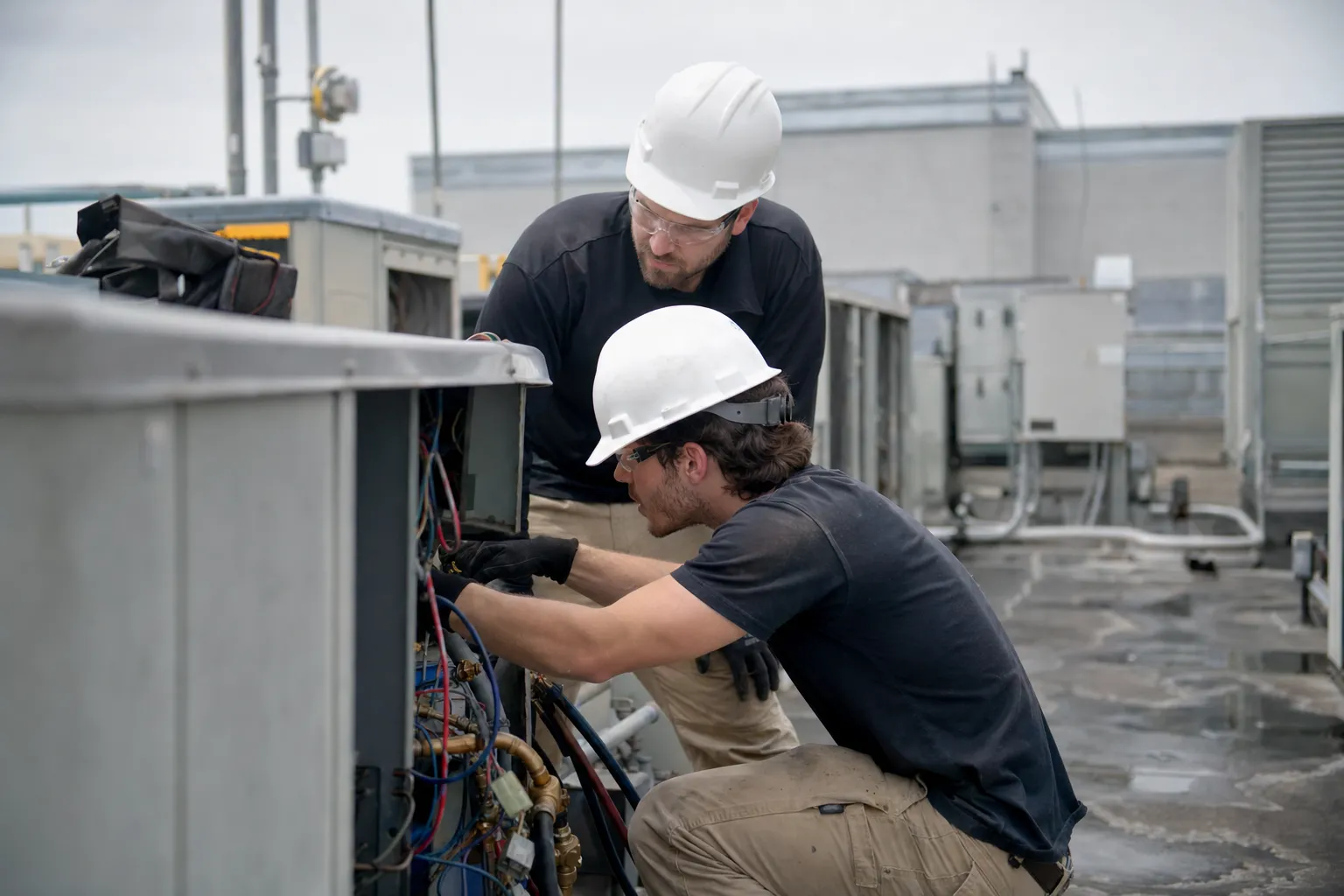
Most people who walk into their first trades interview think the shop wants a list of jobs they have held. It does not. For an entry-level helper or apprentice spot, the owner or lead tech sitting across from you is trying to answer three quiet questions: Will you show up on time, will you listen and not break things, and will you still be here in six months. None of those require experience. All of them can be answered by someone who has never held a wrench on a job site.
That is the shift that makes the no-experience interview feel manageable. You are not competing on history. You are competing on reliability, attitude, and how coachable you are. Below is how to prepare for and walk through that conversation.
What shops actually hire for at the entry level
Skilled trades run on a ladder. You start as a helper or apprentice, you learn on the job, and you move up. Because of that, employers hiring for the bottom rung are not expecting a finished technician. They are hiring raw material they can train.
What they are screening for:
- Attendance and dependability. Early starts are normal. Showing up on time, every day, is the single trait shops complain is hardest to find.
- Physical willingness. The work involves lifting, crawling, attics, ladders, and weather. They want to know you understand that and are fine with it.
- Listening and following direction. A helper who does exactly what the lead says, the way the lead says, is worth more than one who guesses.
- A reason to believe you will stay. Training a new person costs the shop money. They want signals that you see this as a career, not a stopgap.
If you can prove those four things in a 30 minute conversation, the lack of a resume stops mattering.
Turn your real life into relevant answers
You have experience. It just did not happen on a job site. The trick is translating it.
- A physical job of any kind (warehouse, landscaping, restaurant, moving) proves you can handle a full day on your feet and show up for a shift.
- The military proves you follow procedure, respect a chain of command, and handle early mornings.
- Sports or a gym habit proves discipline and comfort with physical effort.
- Fixing your own car, helping a relative with a remodel, building something proves mechanical curiosity, which is exactly the instinct a good tech has.
- Showing up to a job you did not love for two years proves you do not quit when it gets boring.
Before the interview, write down three short stories from your own life that each show one of these traits. Keep them to a few sentences. You will use them when the interviewer asks the open-ended questions.
How to answer the hard questions
"Tell me about yourself." Do not recite your life. Give a 30 second version: where you are from, what work you have done, and one clear sentence about why you want into this trade. End on the trade. That is what they care about.
"Why do you want to be a plumber / electrician / HVAC tech?" Avoid "the money is good," even though it is true. Better answers name the work itself: you like solving problems with your hands, you want a skill no one can take from you, you want a career with a ladder instead of a dead-end job. If you have a personal connection, a relative in the trade, a time you watched a tech work, say it.
"You do not have any experience. Why should I hire you?" This is not a trap. Answer it straight: you know you are starting at the bottom, you are a fast and willing learner, and you will do the grunt work without complaint while you learn the trade properly. Confidence without arrogance wins this one.
"Where do you see yourself in a few years?" Say you want to work toward becoming a licensed journeyman or a full service tech. This signals you plan to stay and climb, which is exactly the retention signal the shop is listening for.
"Do you have any questions for us?" Always have two or three. Ask what a typical first week looks like, how they handle training new helpers, and what they look for when they decide to move someone up.
Know the money, but do not lead with it
It helps to walk in understanding what the career pays once you are established, so your expectations are grounded. These are national market ranges, not offers:
- HVAC service tech: roughly $50K to $95K a year.
- Electrical journeyman: roughly $62K to $125K a year.
- Plumbing journeyman: roughly $60K to $130K a year.
As an entry-level helper or apprentice you start below those numbers and grow into them as you gain hours and licensing. Mention pay only if the interviewer brings it up, and when they do, be reasonable. Showing you understand this is a career you build into, not a starting salary you demand, lands well.
Licensing and the apprentice path
Electrical and plumbing both run on a licensed journeyman structure, which means you log supervised hours and work your way toward that credential over time. HVAC service techs follow a similar learn-on-the-job progression. You do not need any of that before your first interview. What you can say is that you understand the trade is licensed and that you are ready to put in the hours it takes to get there. That tells the shop you understand the commitment.
Show up like you already have the job
The practical stuff matters more than people expect for a first trades interview:
- Be early. Fifteen minutes. Being late to the interview tells them exactly how your attendance will go.
- Dress clean and plain. Work pants or clean jeans, boots or clean shoes, a tucked shirt. You are not interviewing at a bank, but you want to look like someone who respects the trade.
- Phone away. Silence it and keep it in your pocket the entire time.
- Firm handshake, eye contact, and listen more than you talk. A lead tech can spot a good listener fast.
- Bring a form of ID and anything relevant like a clean driving record if you have one, since many roles involve driving a company vehicle.
Let the match work in your favor
Finding the right shop is half the battle, especially with no history to point to. That is where it helps to get matched with local shops that are actively hiring and open to training someone new, instead of cold-applying to places that only want seasoned techs. When a shop already knows you are a motivated starter looking to learn, the no-experience conversation gets a lot shorter. You can read more about how HyprStart works and why employers pay the placement fee while the worker never pays a cent.
Your first interview is not about proving you are a tradesperson already. It is about proving you are worth training. Show up on time, be honest about where you are starting, and make it clear you intend to stay and learn. That is the whole job of that first conversation.
Frequently asked questions
How do I answer interview questions for a trades job with no experience?
Focus on the traits shops actually hire helpers for: reliability, physical willingness, following direction, and a reason to believe you will stay. Translate your real life, a physical job, the military, fixing your own car, into short stories that prove those traits. You do not need job-site history to answer well.
Why do you want to be a tradesperson? What is the best answer?
Name the work itself rather than the paycheck. Good answers mention liking to solve problems with your hands, wanting a skill no one can take away, and wanting a career with a clear ladder. If you have a personal connection to the trade, mention it.
What should I wear to a first trades job interview?
Dress clean and plain: work pants or clean jeans, boots or clean shoes, a tucked shirt. You do not need a suit, but you want to look like someone who respects the trade and takes the job seriously.
What do trades jobs pay once you are established?
National market ranges are roughly $50K to $95K a year for an HVAC service tech, $62K to $125K for an electrical journeyman, and $60K to $130K for a plumbing journeyman. Entry-level helpers and apprentices start below these and grow into them as they gain hours and licensing.
Do I need a license before my first trades interview?
No. Electrical and plumbing journeyman licenses require logging supervised hours over time, and HVAC follows a similar learn-on-the-job path. You start as a helper or apprentice with no credential. What helps is showing you understand the trade is licensed and that you are ready to put in the hours to get there.
How can I find shops willing to train someone with no experience?
Getting matched with local shops that are actively hiring and open to training beats cold-applying to places that only want seasoned techs. With HyprStart, employers pay the placement fee only if they hire, and the worker never pays anything.
Ready to get introduced, not ghosted?
Tell us what you do. We put you in front of local shops that are hiring. Free to apply.
Get matched →