How to Get Started in HVAC With No Experience: A Six-Month Roadmap
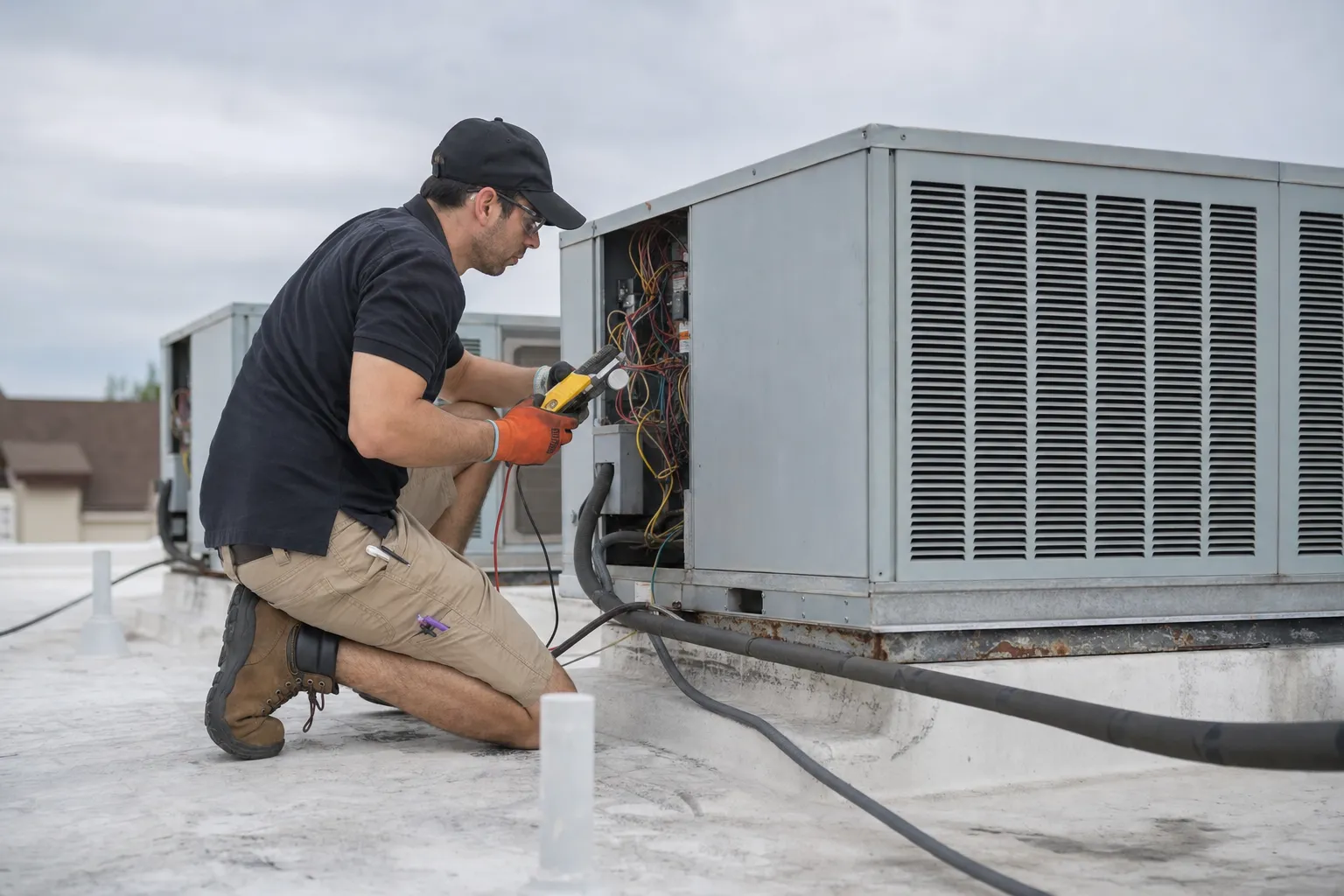
The heat never takes a day off, so HVAC work rarely slows down. That steady demand is exactly why someone with no experience can walk into this trade and build a real career, often faster than in fields that require a four year degree first. If you can show up on time, follow directions, and are willing to learn refrigeration, controls, and installs, the door is open.
This guide walks through what your first six months in HVAC actually look like, month by month, so you know what to expect before you commit.
Why HVAC is a realistic starting point
HVAC covers install, service, refrigeration, and controls. That range of work means there is almost always something for a new hand to do, from carrying equipment and running lineset to eventually diagnosing systems on your own.
On pay, service techs typically earn in the range of $50K to $95K per year nationally. That is a market range, not a promise, and where you land depends on your area, your hours, and how quickly you pick up skills. For comparison, journeyman electricians typically see $62K to $125K and journeyman plumbers $60K to $130K, so all three trades reward people who stick with them. The point is simple: HVAC starts you on a path with room to grow.
Before month one: what you need to start
You do not need a degree or years of schooling to get a helper or apprentice job. What most local shops want to see up front is basic reliability and a willingness to work.
Here is what helps before you apply:
- A valid driver's license, since techs drive to job sites
- Comfort with hand tools and lifting equipment
- A clean, professional first impression
- Any safety awareness you can pick up ahead of time
One credential worth knowing about early is EPA Section 608 certification, which is required to handle refrigerants. Many people earn it during their first months on the job rather than before, so do not let it stop you from applying. Ask each employer how they handle it.
Month one: the helper phase
Your first month is about learning the rhythm of the work and proving you are dependable. Expect to:
- Load and unload trucks
- Carry tools and equipment to and from job sites
- Hand tools to the lead tech and watch closely
- Learn the names of parts and systems
- Keep the work area clean and organized
This phase feels basic, and it is. But shops are watching to see if you show up early, stay off your phone, and pay attention. The techs who advance fastest are the ones who ask good questions and remember the answers.
Month two: hands on the tools
By now you should be doing more than fetching. A good crew will start letting you run lineset, help with basic installs, and handle simple tasks under supervision. You will start to understand how a system moves heat and why airflow and refrigerant charge matter.
Start building a personal tool kit if the shop expects it, and ask which tools they want you to own versus which they provide. Take notes on the equipment brands and system types you see most in your area, because that is what you will service for years.
Month three: starting your certification and safety training
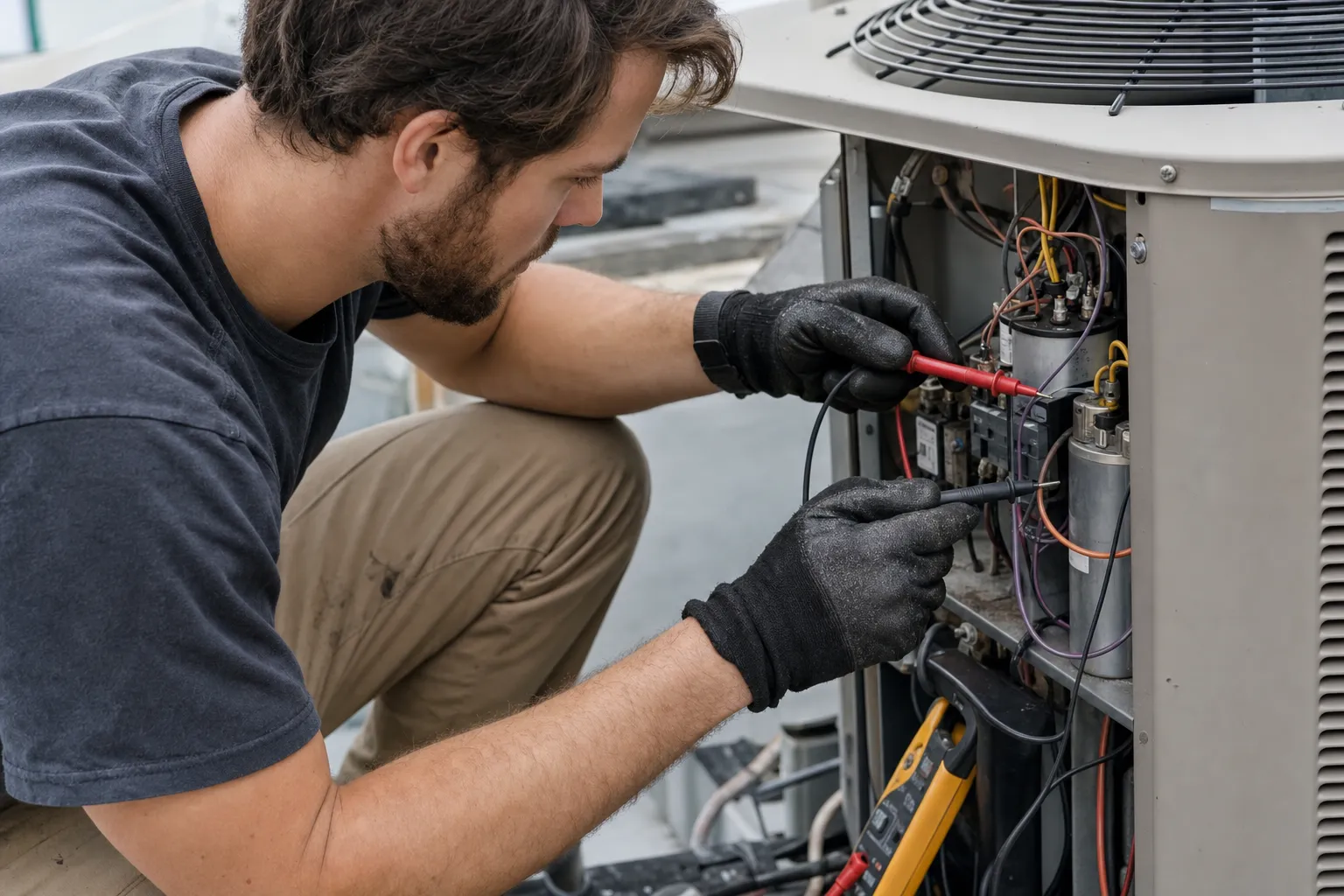
Month three is a common time to work on EPA 608 if you have not already. This is also when many new techs get more formal safety training on ladders, electrical hazards, and refrigerant handling.
This is the stretch where the work starts to click. You begin to recognize common failures, understand why a system is not cooling, and connect what you see on the job to the theory behind it. Keep a small notebook of diagnoses and fixes. It becomes your own reference.
Month four: assisting on service calls
Install work teaches you how systems go together. Service work teaches you how they fall apart. Around month four, many helpers start riding along on service calls and assisting with diagnostics.
Service is where the trade gets interesting, because every call is a small puzzle. You will learn to:
- Read gauges and interpret pressures
- Check electrical components safely
- Talk to customers clearly and honestly
- Document what you found and what you fixed
Customer communication matters more than new techs expect. A tech who explains the problem plainly earns trust, and trust is what turns into repeat work and referrals for the shop.
Month five: working more independently
By the fifth month, a promising apprentice is handling routine tasks with less oversight. You might do maintenance visits on your own, complete simple repairs, and only call the lead tech for the tougher diagnoses.
This is a good time to have a direct conversation with your employer about your progress and your path. Ask what skills they want you to master next and how pay and responsibility grow as you do. Shops invest in people who show they are serious about staying.
Month six: you are a real tech
Six months in, you are no longer the new person carrying tools. You understand install, basic service, refrigeration fundamentals, and controls at a working level. You can hold your own on most calls and you know when to ask for help.
From here the trade keeps opening up. Refrigeration, commercial systems, controls, and eventually running your own service truck all sit ahead of you. Each step tends to bring more responsibility and, over time, movement within that $50K to $95K range and beyond as you specialize.
How to land the first job faster
The hardest part of this whole roadmap is often step zero: getting an employer to say yes to someone with no experience. Applying cold, one shop at a time, is slow and frustrating.
That is where HyprStart helps. You tell us what you can do, and we introduce you straight to local shops that are hiring. Employers pay a placement fee only if they hire you, and the worker never pays anything. If you are ready to start, you can get matched with local shops and skip the endless application cycle. You can also read more about how HyprStart works before you decide.
The trade rewards people who show up and keep learning. Six months of steady effort is enough to go from no experience to a working HVAC tech, and the demand is not going anywhere.
Frequently asked questions
Can I get an HVAC job with no experience?
Yes. Many shops hire helpers or apprentices with no prior experience and train them on the job. What matters most up front is reliability, a valid driver's license, and a willingness to learn install, service, refrigeration, and controls.
How much do HVAC service techs make?
Service techs typically earn in the range of $50K to $95K per year nationally. That is a market range rather than a guarantee, and where you land depends on your area, your hours, and how quickly you build skills.
Do I need EPA certification to start in HVAC?
EPA Section 608 certification is required to handle refrigerants, but many people earn it during their first months on the job rather than before applying. Ask each employer how they handle certification so it does not stop you from getting started.
How long does it take to become an HVAC tech?
You can be doing hands on work within your first month or two and handling routine service calls with limited supervision by around six months. Full mastery of areas like commercial systems and controls continues to develop over years.
Does HVAC pay less than electrical or plumbing?
HVAC service techs typically earn $50K to $95K, while journeyman electricians typically see $62K to $125K and journeyman plumbers $60K to $130K. All three trades reward people who stay and specialize, and HVAC offers steady demand because heating and cooling work rarely slows down.
What do I do in my first month as an HVAC helper?
Expect to load and unload trucks, carry tools and equipment, hand tools to the lead tech, learn part and system names, and keep the work area clean. It is a proving phase where shops watch whether you show up on time and pay attention.
Ready to get introduced, not ghosted?
Tell us what you do. We put you in front of local shops that are hiring. Free to apply.
Get matched →