How Physically Hard Are the Trades, Really? An Honest Look at the Body Toll
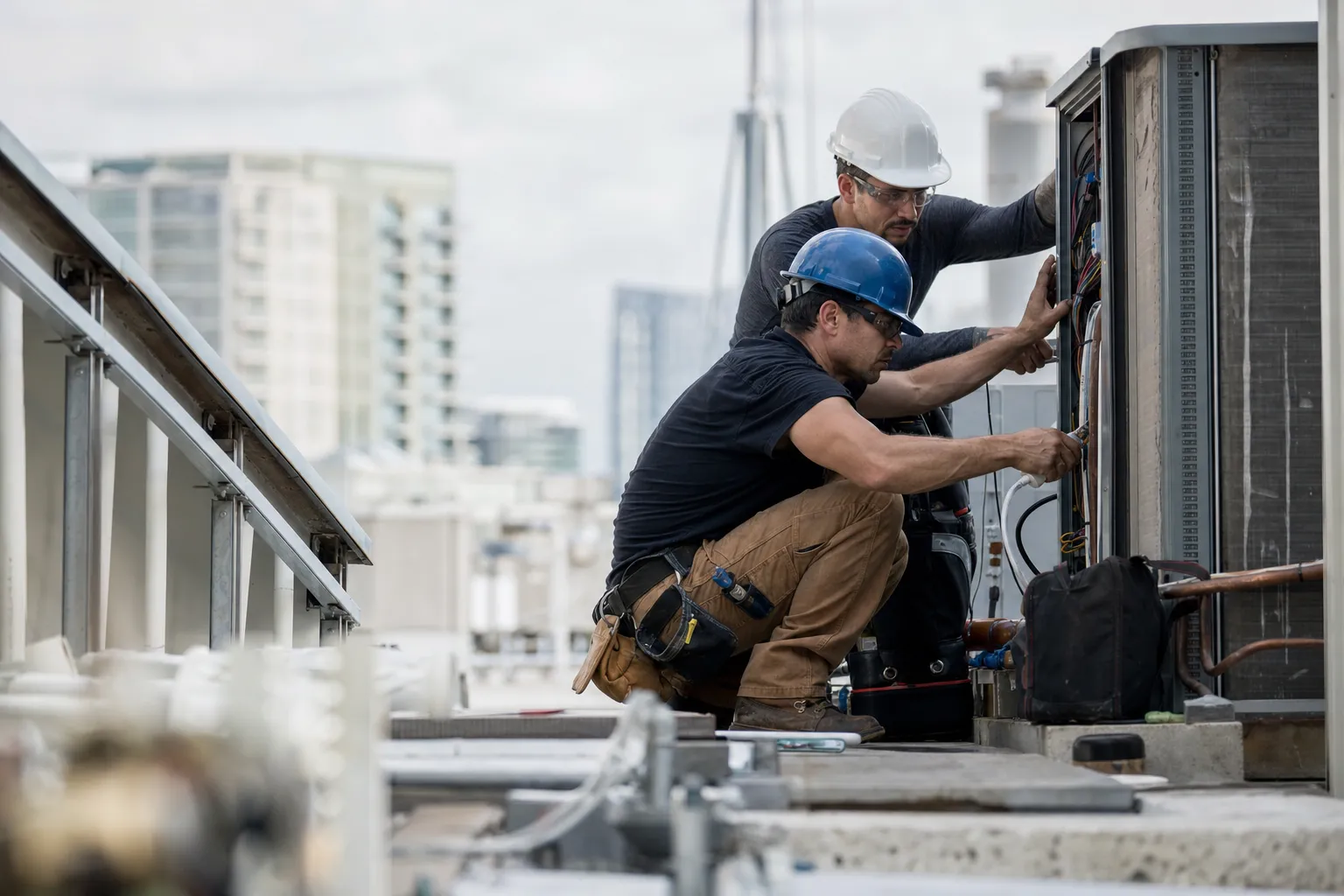
Crawl into a hot attic in July to swap a blower motor, then squeeze under a sink on your back an hour later. That is a normal Tuesday in the trades, and it is the honest starting point for anyone deciding whether this work fits their body. The physical demand is real. It is also manageable, and a lot of people do it for 30 years without wrecking themselves.
This is a plain look at what the work asks of you, which parts wear people down, and the habits that keep experienced tradespeople moving well. No sugarcoating and no scare stories.
The short answer
The trades are physically hard, but not in the way most people picture. It is rarely about raw strength. It is about awkward positions, repetition, and doing the same movements in tight spaces day after day. You are not lifting a car. You are kneeling on concrete, reaching overhead, and carrying tools up stairs, over and over.
That kind of load is very manageable if you pace yourself and learn technique early. It becomes a problem when people muscle through with bad form for years and ignore the small aches until they are big ones.
What actually stresses the body, by trade
Each trade has its own signature wear pattern. Knowing yours helps you protect against it.
HVAC
HVAC service techs deal with the widest range of environments. You work in hot attics and cold rooftops, often in the same day. The physical load includes:
- Lifting condensers, compressors, and equipment that can be heavy and clumsy
- Working overhead on ductwork, which taxes the shoulders and neck
- Crawling through attics and crawl spaces in extreme temperatures
- Kneeling and squatting at units for extended stretches
Heat is the underrated one. Hydration and pacing in summer matter as much as any lift.
Electrical
Electrical work is lighter on brute lifting but heavy on repetition and position. The common strains:
- Overhead work running conduit and pulling wire, which is hard on shoulders
- Repetitive hand and wrist motion from stripping, terminating, and bending
- Ladder time and standing on hard surfaces
- Kneeling in panels and tight rough-in spaces
The hands and shoulders take the long-term toll here more than the back.
Plumbing
Plumbing is probably the most back-and-knee intensive of the three. Expect:
- Working on your back under sinks and in cabinets
- Kneeling on hard floors for long stretches
- Lifting cast iron, water heaters, and fixtures
- Digging and trench work on some jobs
- Awkward torque when breaking loose old fittings
The recurring theme across all three is position, not weight. Your body handles a heavy lift fine. It is the twisted, cramped, repeated positions that add up.
The parts of the body that take the hit
Across the trades, the same areas come up again and again:
- Knees from kneeling on hard surfaces
- Lower back from lifting and bending, especially with poor form
- Shoulders from overhead work
- Hands and wrists from repetitive gripping and fine motor tasks
None of these are inevitable injuries. They are predictable stress points, which means they are predictable to protect.
How people actually manage it
The tradespeople who last are not tougher. They are smarter about small things, consistently. Here is what that looks like in practice.
Protect the knees from day one
Knee pads or a kneeling pad are cheap and they change everything for plumbers and anyone who kneels a lot. This is the single most skipped and most valuable habit for new people.
Lift with technique, not ego
Most back injuries come from lifting wrong, not from lifting heavy. Bend the knees, keep the load close, avoid twisting under weight, and use a hand truck or a coworker when it is genuinely heavy. There is no bonus for hurting yourself.
Warm up and stay loose
A few minutes of movement before hard tasks, and stretching the shoulders, hips, and back regularly, keeps the repetitive strain from setting in. Older tradespeople almost all do some version of this.
Use the tools and gear
Good boots with support, anti-fatigue awareness, gloves, and the right dolly or lift for the job. The gear exists because the wear is real. Using it is not weakness, it is career planning.
Pace across the day and the week
The people who blow out their bodies usually did it by never letting up. Rotate tasks when you can, hydrate, and respect that heat and cold add load. A tired body uses bad form.
Listen to small aches
A tweak you address in a week is nothing. The same tweak ignored for two years becomes chronic. The experienced hands rest and adjust early.
Does the pay match the physical demand?
The physical toll is real, and so is the compensation for taking it on. National market ranges give a sense of the ceiling as you build skill and certification:
- HVAC service techs typically land in the $50K to $95K per year range.
- Electrical journeymen typically fall in the $62K to $125K per year range.
- Plumbing journeymen typically fall in the $60K to $130K per year range.
These are national market ranges, not a guarantee or a HyprStart offer. Where you land depends on trade, experience, certification, region, and the shop. The point is that the physical demand comes with earning power that many desk jobs do not match, and it climbs as you gain skill.
Does it get easier over time?
In some ways, yes. As you gain experience you move up toward service, diagnostics, and lead roles that lean more on knowledge than on the hardest physical tasks. A seasoned tech often spends more time troubleshooting and less time crawling. The body work never fully disappears, but the ratio shifts as your value shifts toward what is in your head.
That is the honest arc: the first years are the most physical, and the habits you build then decide how your body feels in year 20.
Is it right for you?
If you are reasonably healthy, willing to move all day, and you protect your body with basic habits, the trades are very sustainable. If you already have a serious knee, back, or shoulder issue, be honest with yourself about which trade fits and which tasks you can do. There is real variation between and within trades, and a good shop will match you to work you can do well.
When you are ready to explore it for real, you can get matched with local shops that are hiring, and tell us honestly what you can and want to do. You can also read how HyprStart works before you decide. The service is free for workers. Employers pay a placement fee only if they hire, so there is no cost to you for exploring the fit.
The trades will ask something of your body. Done right, they give back a career you can stand on for decades.
Frequently asked questions
Are the skilled trades bad for your body?
They are physically demanding but not automatically damaging. The main stress comes from awkward positions, kneeling, overhead work, and repetition rather than raw heavy lifting. People who use knee pads, lift with proper technique, warm up, and address small aches early tend to work for decades without serious injury.
Which trade is the hardest on your body, HVAC, electrical, or plumbing?
Each has its own wear pattern. HVAC involves heavy equipment and extreme attic and rooftop temperatures. Electrical is lighter on lifting but hard on shoulders and hands from overhead and repetitive work. Plumbing is the most back and knee intensive from working under sinks, kneeling on hard floors, and lifting fixtures. None is universally hardest, it depends on your body.
How do tradespeople avoid back and knee injuries?
Mostly through consistent small habits: knee pads or a kneeling pad from day one, lifting with bent knees and the load close without twisting, using dollies and lifts for heavy items, warming up and stretching, wearing supportive boots, and resting small aches before they become chronic problems.
Does the pay make the physical work worth it?
For many people, yes. National market ranges run roughly $50K to $95K per year for HVAC service techs, $62K to $125K for electrical journeymen, and $60K to $130K for plumbing journeymen. These are market ranges, not guarantees, and earnings rise with experience and certification.
Does trades work get easier as you get older?
The physical load tends to ease as you move into service, diagnostics, and lead roles that rely more on knowledge than on the hardest tasks. The first years are the most physical. The habits you build early largely decide how your body feels later in your career.
Ready to get introduced, not ghosted?
Tell us what you do. We put you in front of local shops that are hiring. Free to apply.
Get matched →