Getting Into the Trades With a Criminal Record: What Employers Can and Cannot Consider
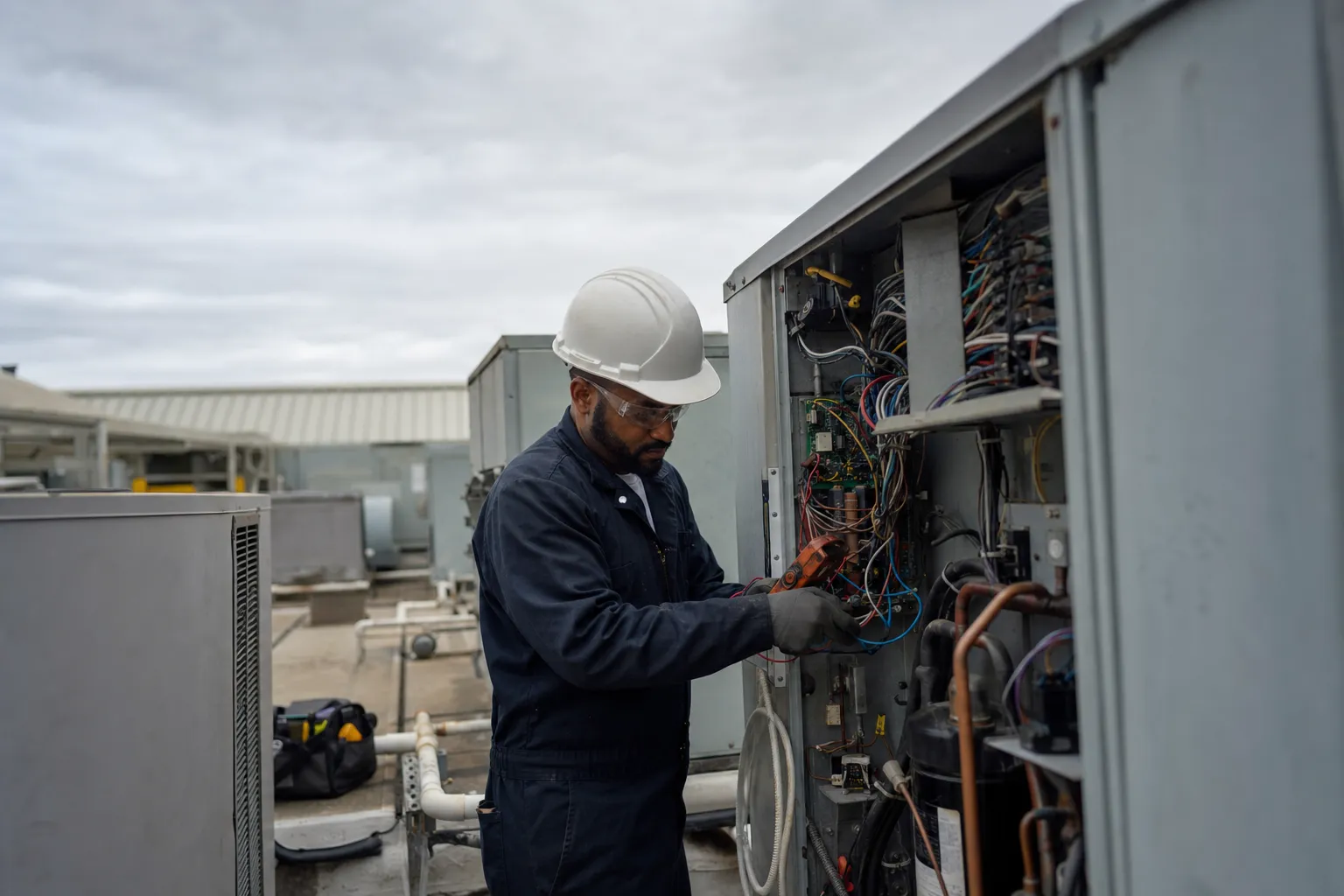
A lot of people with a record assume the skilled trades are off limits before they ever apply. That assumption costs them years. The trades hire on skill, reliability, and whether you show up, and many shops are short-handed enough that a hiring manager cares far more about whether you can run a service call than about something that happened years ago.
This guide walks through what actually matters when you apply, what an employer is generally allowed to look at, what they are not, and how to talk about your history in a way that keeps the conversation moving.
The trades are one of the more open paths after a record
HVAC, electrical, and plumbing are hands-on trades where competence is visible and measurable. That works in your favor. A shop can tell within a few weeks whether you know what you are doing, and that track record often outweighs a background check.
The pay is real work-for-life money, too. Based on national market ranges, an HVAC service tech typically earns $50K to $95K per year, an electrical journeyman $62K to $125K per year, and a plumbing journeyman $60K to $130K per year. These are national ranges, not a promise or an offer, but they show why fighting your way in is worth it.
What employers can generally consider
Employers do run background checks, and there are things they are usually allowed to weigh. Being honest with yourself about these helps you prepare.
- The nature of the offense. A conviction that relates directly to the job can matter more than one that does not. Employers commonly look at whether an offense is relevant to the specific work and setting.
- How much time has passed. Older matters generally carry less weight than recent ones. Time and a clean stretch since then work in your favor.
- Evidence of rehabilitation. Completed programs, steady work history, training, and references all speak to who you are now rather than who you were.
- The specific role and where the work happens. Trades work often means going into people's homes and businesses. An employer can consider whether the role involves that kind of access.
The practical takeaway: you cannot change your record, but you can control how you present the time since, your training, and your reliability.
What employers generally cannot do
There are limits on how a record can be used, and knowing them helps you spot a process that is not being run fairly.
- Arrests without a conviction are treated differently from convictions. An arrest is not proof of anything, and many employers are limited in how they can use an arrest that did not lead to a conviction.
- Blanket automatic rejections are discouraged. Rather than a flat "no record allowed" rule, employers are generally expected to look at your specific situation, including the offense, the time passed, and its relevance to the job.
- Timing rules may apply to when they ask. In many places, questions about a record come later in the process rather than on the first application, so you are judged first on your qualifications.
Rules vary by state and city, so check your local law for the specifics. The point is that a record is meant to be one factor in a fuller picture, not an instant disqualifier.
Licensing and your record
HVAC, electrical, and plumbing often involve apprenticeship and licensing steps as you advance. A record does not automatically bar you from these paths, but licensing bodies may review your history as part of their process. If you are concerned about a specific offense, contact the licensing authority in your state directly and ask before you assume the worst. Many people with records complete apprenticeships and earn journeyman status.
Starting as a helper or apprentice while you work toward a license is a normal on-ramp. It lets you build the exact track record that answers an employer's concerns.
How to talk about your record with an employer
When the topic comes up, a short, direct answer beats a long explanation or trying to hide it.
- Be honest. A record found later that you did not disclose reads as dishonesty, which is a bigger problem than the record itself.
- Keep it brief and forward-looking. State what happened plainly, then move quickly to what you have done since: training, steady work, references.
- Show you can do the job. Any hands-on experience, coursework, or tools you own tells a shop you are ready to contribute.
- Bring references. People who will vouch for your reliability carry real weight.
You do not owe anyone your life story. You owe them enough honesty to make an informed decision, framed around the worker you are today.
Where HyprStart fits
One of the hardest parts with a record is not the interview, it is getting in front of a shop that will actually consider you. Cold applications get filtered fast, and you rarely learn why.
HyprStart is a direct-hire service for the trades. You tell us what you do, and we introduce you straight to local shops that are hiring. The employer pays a placement fee only if they hire you. You never pay anything. That structure means we are motivated to put you in front of shops where you are a real fit, not to collect fees from job seekers. You can read how HyprStart works to see the full process.
If you are ready to start, you can get matched with local shops and let us handle the introductions. We speak to shops about your skills and what you bring to the work.
A realistic plan to get started
If you are serious about breaking in, here is a simple order of operations.
- Pick a trade. HVAC, electrical, and plumbing all have strong pay ranges and steady demand. Choose one and commit.
- Get any entry training or a helper role you can. Even a little hands-on experience changes the conversation.
- Line up references. Two or three people who can speak to your reliability.
- Know your local rules. Check your state on licensing and on how records are handled in hiring.
- Get introduced. Rather than firing off applications, get in front of shops that are hiring.
A record is a fact about your past. Your skills, your reliability, and the time you put in are facts about your present. In the trades, the second set of facts is the one that pays.
Frequently asked questions
Can you get an HVAC, electrical, or plumbing job with a criminal record?
Yes. A record does not automatically disqualify you. The trades hire on skill and reliability, and many shops are short-handed. Employers generally weigh the nature of the offense, how much time has passed, evidence of rehabilitation, and the specific role, rather than applying a flat no-record rule.
What can an employer legally consider about my record?
Employers can generally consider the nature of the offense, how relevant it is to the specific job, how much time has passed, and evidence of rehabilitation such as completed programs, steady work, and references. Rules vary by state and city, so check your local law.
Do I have to tell an employer about my record?
Be honest when it comes up. A record found later that you did not disclose reads as dishonesty, which is a bigger problem than the record itself. Keep your explanation brief and forward-looking, and focus on what you have done since, including training, steady work, and references.
Will a record stop me from getting a trades license?
Not automatically. Licensing bodies may review your history, but a record does not automatically bar you from apprenticeship or journeyman licensing. If you are concerned about a specific offense, contact your state licensing authority directly and ask before assuming you are ineligible.
How much can I earn in the trades?
Based on national market ranges, an HVAC service tech typically earns $50K to $95K per year, an electrical journeyman $62K to $125K per year, and a plumbing journeyman $60K to $130K per year. These are national ranges, not a guarantee or an offer.
How does HyprStart help someone with a record find work?
HyprStart introduces you directly to local shops that are hiring, so you get in front of employers instead of getting filtered out by cold applications. The employer pays a placement fee only if they hire you, and the worker never pays anything.
Ready to get introduced, not ghosted?
Tell us what you do. We put you in front of local shops that are hiring. Free to apply.
Get matched →