From Tech to Foreman: How Supervision Works in the Trades and What It Pays
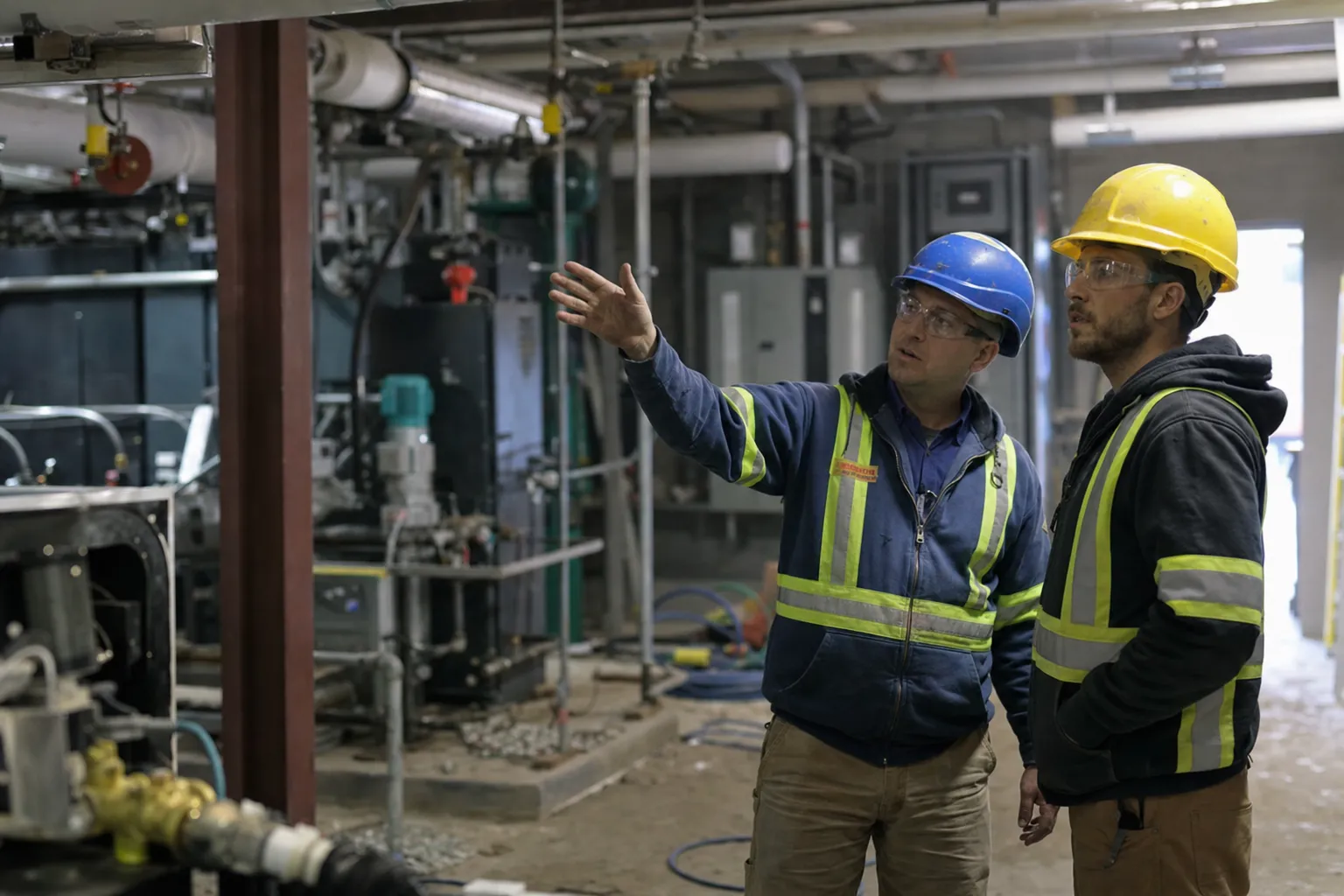
On most job sites, the difference between a crew that finishes on time and one that falls apart is a single person: the foreman. If you have spent a few years as a service tech or journeyman and you are starting to run small jobs on your own, you are already closer to that role than you think. This is a look at how supervision actually works in the trades, what the step up involves, and where the pay lands.
What a foreman actually does
A foreman is a working supervisor. In most shops that means you still carry tools and do the work, but you are also responsible for the job going right. The title changes by trade and by shop, but the core duties are consistent:
- Running the crew on a given job and keeping everyone moving in the right order
- Reading plans and translating them into daily tasks
- Managing material so the crew is not standing around waiting for parts
- Checking work against code and company standards before it gets covered up
- Talking to the general contractor, the customer, or the shop owner when something changes
- Training apprentices and less experienced techs
The jump from tech to foreman is less about being the fastest installer and more about being the person who sees the whole job. A good tech fixes the unit in front of them. A good foreman makes sure the whole day runs so nobody is blocked.
The usual path from tech to foreman
There is no single rulebook, but the progression tends to look the same across HVAC, electrical, and plumbing.
1. Become a confident journeyman or senior tech
You cannot lead a crew until you can do the work without supervision. In electrical and plumbing this usually means reaching journeyman level. In HVAC it means becoming a service tech who can diagnose and complete calls on their own. This is the foundation, and it is non negotiable.
2. Start running small jobs solo
The first real sign a shop is grooming you is when they send you out alone or put one helper under you. Pay attention here. How you handle material, customer questions, and the inevitable surprise behind the wall is what tells a shop whether you can handle a crew.
3. Lead a crew on larger work
From there you move to running two or three people on bigger installs or service rounds. You are now responsible for other people's time, not just your own. This is where the soft skills start to matter as much as the technical ones.
4. Take the foreman title
At some point the shop formalizes it. You become the person the office calls about the job, and the person the crew looks to. The title often comes with a bump in pay and, in many cases, a company vehicle and more say in scheduling.
What supervision pays across the trades
It helps to know the baseline before you talk about the step up. These are national market ranges for the working roles that typically feed into a foreman seat:
- HVAC service tech: $50K to $95K per year
- Electrical journeyman: $62K to $125K per year
- Plumbing journeyman: $60K to $130K per year
These are ranges, not a promise, and where you fall depends on your experience, your market, overtime, and the shop. A foreman role generally sits toward the upper part of the range for that trade or above the journeyman band, because the shop is paying for your technical skill plus the responsibility of running the job. The practical takeaway: the biggest earnings jump in the trades often comes not from one more certification but from proving you can lead people and close out jobs cleanly.
Notice that the top of the electrical and plumbing ranges runs higher than HVAC service. Part of that is the licensing path in those trades, and part of it is that complex commercial and new construction work rewards people who can supervise. If you are early in your career and thinking long term, that is worth factoring in.
Skills that separate a foreman from a tech
The technical knowledge is assumed by this point. What shops actually promote on is a shorter list than most people expect:
- Communication. You can explain a problem to a customer and a plan to a crew without creating confusion.
- Planning ahead. You order material before you run out and you sequence the work so trades are not tripping over each other.
- Ownership. When something goes wrong, you fix it and report it instead of hiding it.
- Teaching. You make the apprentice under you better instead of just doing their job for them.
- Reliability. You show up, and the crew can set their watch by you.
None of that requires a classroom. It gets built on the job, which is why time at the senior tech or journeyman level matters so much before the title comes.
How to position yourself for the move
If foreman is the goal, make it visible that you want it. Volunteer to run the job when the usual lead is out. Ask to train the new apprentice. Learn how your shop quotes and schedules so you understand the business side, not just the install. Keep your license current so the step up is never held back by paperwork.
The other half of the equation is being at a shop that actually has room to promote. Some shops are small and the foreman seats are full for years. Others are growing and need crew leads faster than they can find them. If you have the experience to lead and you are stuck behind people who are not moving, changing shops is often the fastest route to the title and the pay that comes with it.
That is where we come in. At HyprStart you tell us what you do and we introduce you straight to local shops that are hiring, including ones looking for people ready to lead a crew. You can get matched with local shops based on your experience, and the employer pays the placement fee only if they hire you. You never pay anything. If you want the full picture first, here is how HyprStart works.
Is the step up worth it?
For most people, yes, but go in clear eyed. A foreman carries more stress, more phone calls, and more responsibility for other people's mistakes. The pay is better and the role is more secure, because a shop that trusts you to run its jobs is not quick to let you go. If you like the technical work and have no interest in managing people, there is nothing wrong with staying a strong tech or journeyman and earning well inside those ranges. The trades reward both paths. The point is to choose it on purpose instead of drifting.
Frequently asked questions
How long does it take to become a foreman in the trades?
There is no fixed timeline, but you generally need to first become a confident journeyman in electrical or plumbing, or a service tech who can work independently in HVAC. From there, foreman status comes after you have proven you can run small jobs solo and then lead a crew. It is based on demonstrated ability more than a set number of years.
Does a foreman make more than a journeyman or service tech?
Generally yes. A foreman role typically sits toward the upper part of the pay range for that trade or above the journeyman band, because the shop is paying for your technical skill plus the responsibility of running the job. The biggest earnings jump often comes from proving you can lead people, not just from adding certifications.
What does a foreman actually do day to day?
A foreman is a working supervisor. You often still carry tools, but you are also responsible for running the crew, reading plans, managing material so nobody is waiting, checking work against code before it gets covered up, talking to the contractor or customer, and training apprentices.
What are the pay ranges for the main trades roles that lead to foreman?
National market ranges are roughly $50K to $95K per year for an HVAC service tech, $62K to $125K per year for an electrical journeyman, and $60K to $130K per year for a plumbing journeyman. These are ranges, not guarantees, and depend on experience, market, overtime, and the shop.
What skills do shops promote foremen on?
Beyond solid technical ability, shops promote on communication, planning ahead so material and sequencing are handled, ownership when things go wrong, the ability to teach apprentices, and plain reliability. These are built on the job, which is why time at senior tech or journeyman level matters.
I am ready to lead but my shop has no room to promote. What can I do?
If the foreman seats at your shop are full and not moving, changing to a growing shop is often the fastest route to the title and the pay. HyprStart introduces you to local shops that are hiring, including ones looking for crew leads. Employers pay the placement fee only if they hire you, and you never pay anything.
Ready to get introduced, not ghosted?
Tell us what you do. We put you in front of local shops that are hiring. Free to apply.
Get matched →