From Military Service to the Trades: How Your Experience Actually Translates
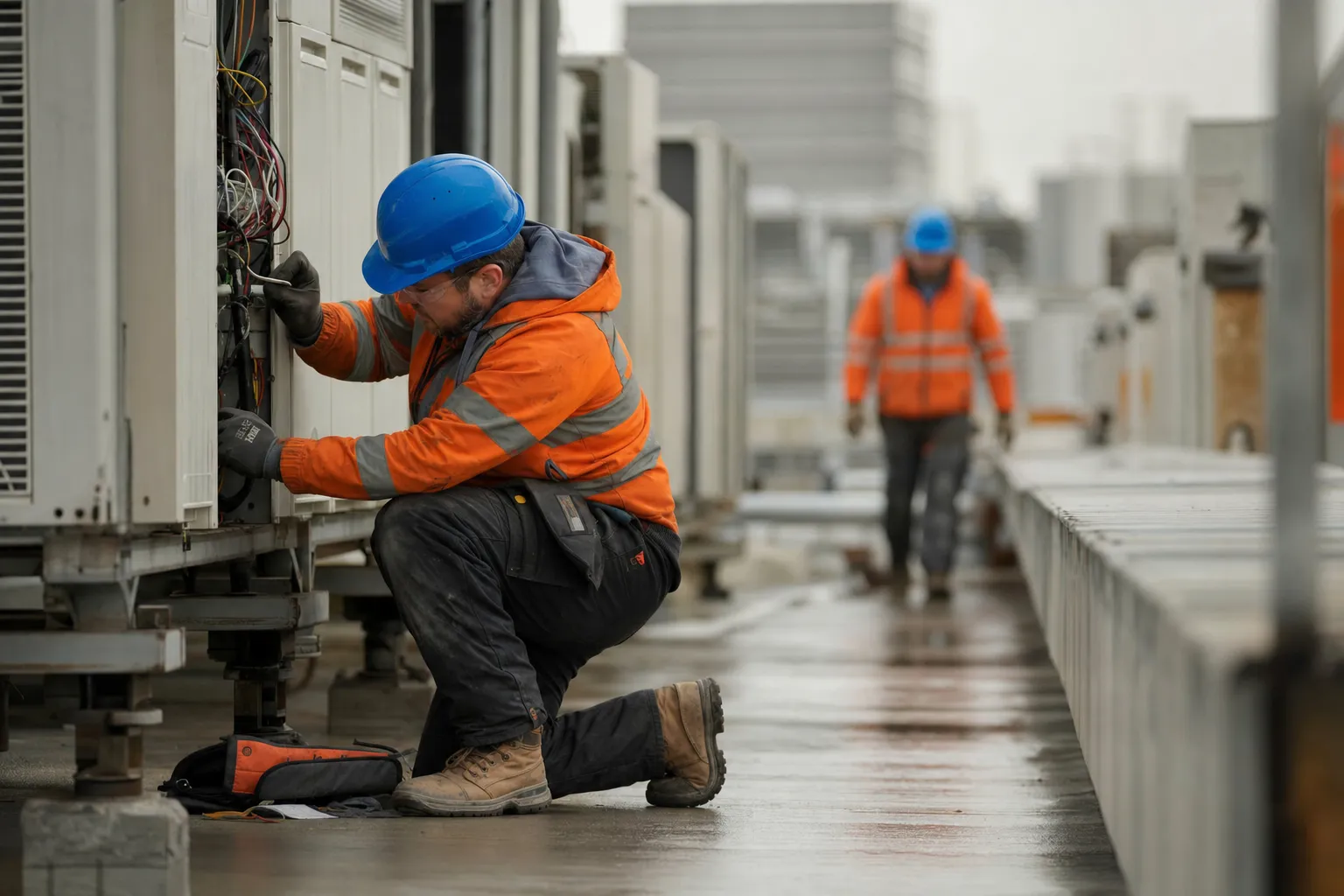
Every service member who has troubleshot a generator at 0300, followed a lockout-tagout procedure, or led a small team under pressure has already done the hard part of trades work. The habits the military drilled into you - showing up early, respecting safety, finishing the job - are the exact habits local shops in the skilled trades struggle to find. If you are leaving the service and weighing your next move, HVAC, electrical, and plumbing deserve a serious look.
This guide breaks down how your military experience maps onto the trades, what to expect from an apprenticeship, and the pay you can realistically work toward.
Why the trades fit veterans well
The skilled trades are not a fallback. They are technical, licensed careers that reward the same things the military valued in you.
- Safety discipline. You already treat safety procedures as non-negotiable. That translates directly to working around live circuits, pressurized gas, and refrigerant.
- Troubleshooting under pressure. Diagnosing why a system failed and fixing it with the resources on hand is the daily reality of a service tech.
- Following technical documentation. If you can read a wiring diagram, a maintenance manual, or a tech order, you can read the schematics and codes the trades use.
- Chain of command and teamwork. Job sites run on clear roles. Knowing how to take direction and, later, lead a crew is an asset most new hires do not have.
Shops in most areas are short on reliable people. A veteran who shows up on time and takes the work seriously stands out fast.
How specific military roles carry over
You do not need a perfect one-to-one match to make the jump, but some backgrounds line up closely.
Toward HVAC
If you worked on environmental control systems, aircraft or vehicle climate systems, refrigeration, or facilities heating and cooling, you have handled the core concepts of HVAC already. Electrical controls, airflow, and refrigerant cycles will feel familiar. HVAC service techs nationally earn a typical range of $50K to $95K per year.
Toward electrical
Electricians, avionics techs, communications and radar maintainers, and anyone who ran power distribution or wiring already speaks the language of voltage, load, and circuits. Moving into the electrical trade means adding the local code knowledge and the licensed hours. A journeyman electrician nationally earns a typical range of $62K to $125K per year.
Toward plumbing
If you worked in utilities, shipboard systems, water and fuel distribution, or facilities maintenance, you have run pipe, read pressure, and diagnosed leaks. Plumbing adds code, drainage, and fixture work on top of fundamentals you already know. A journeyman plumber nationally earns a typical range of $60K to $130K per year.
These are national market ranges, not a guarantee or an offer. Where you land in the range depends on your location, your certifications, and how quickly you rack up hours.
Apprenticeship: how you actually get licensed
Most trades careers run through an apprenticeship, where you earn a paycheck while you learn on the job and complete classroom hours. For a veteran, this is usually the fastest path because you already have the work ethic employers want to invest in.
A typical apprenticeship structure looks like this:
- On-the-job hours under a licensed journeyman or master, where you do real work for real pay.
- Classroom or technical instruction covering code, theory, and safety.
- Progression to journeyman once you complete the required hours and pass the licensing exam for your trade and state.
Licensing rules for electrical and plumbing are set at the state and sometimes local level, so the exact hours and exams vary by where you live. HVAC often requires EPA certification to handle refrigerant, plus state or local licensing in many areas. Check your state's licensing board for the specifics that apply to you.
Making the most of veteran benefits
Many apprenticeship programs are approved for GI Bill benefits, which can supplement your income while you learn. Because rules differ by program and state, confirm eligibility directly with the program and the VA before you enroll. The point is simple: you may be able to draw a benefit while you earn an apprentice wage and build toward a licensed career.
Translating your resume for a shop
Civilian hiring managers do not always read a military record fluently. A few adjustments help.
- Convert MOS and rating language into plain trade terms. Instead of a job code, describe the systems you maintained and the tools you used.
- Lead with hands-on outcomes. Systems you kept running, downtime you prevented, teams you trained.
- Name your certifications. Any safety, electrical, mechanical, or hazmat credentials belong up top.
- Keep it concrete. Shops care less about titles and more about what you can actually do on day one.
You do not have to figure out the translation alone. That is where a direct-hire service helps.
How HyprStart fits in
HyprStart is built for exactly this kind of transition. You tell us what you did in the service and what you want to do next, and we introduce you straight to local shops that are hiring in HVAC, electrical, and plumbing. There is no cost to you, ever - employers pay a placement fee only if they hire you. If you want to see the full process first, here is how HyprStart works.
We do the part that is hardest when you are new to civilian job hunting: getting your experience in front of the right employers who understand its value. When you are ready, you can get matched with local shops in your area.
A realistic timeline
Moving from service into a licensed trade is not instant, but it is a clear path.
- Weeks 1 to 4: Decide which trade fits your background and interests, and translate your experience into trade terms.
- Months 1 to 3: Land an apprentice or entry role with a shop, start earning, and begin classroom or code training.
- Years 1 to 4: Complete your required hours, earn certifications, and sit for your journeyman or licensing exam.
- Beyond: Move up into higher pay ranges, and eventually into master licensing, lead, or ownership if that is your goal.
You spent years learning to be dependable, safe, and technical. The trades pay for exactly those qualities. The transition is a translation, not a restart.
Frequently asked questions
What trade is best for veterans transitioning out of the military?
It depends on your background. If you worked on climate or refrigeration systems, HVAC lines up well. Electrical and avionics backgrounds map to the electrical trade, and utilities or shipboard systems experience fits plumbing. All three reward the safety discipline and troubleshooting skills the military builds.
How much can I earn in the trades after military service?
National market ranges are $50K to $95K per year for an HVAC service tech, $62K to $125K per year for a journeyman electrician, and $60K to $130K per year for a journeyman plumber. Where you land depends on location, certifications, and hours completed. These are market ranges, not a guarantee.
Can I use my GI Bill for a trades apprenticeship?
Many apprenticeship programs are approved for GI Bill benefits, which can supplement your income while you learn on the job. Rules vary by program and state, so confirm eligibility directly with the program and the VA before enrolling.
Do I need to start over as an apprentice if I have military experience?
Most trades careers run through an apprenticeship where you earn while you learn, but your service experience is a major advantage. Employers want reliable, safety-minded people, and veterans already bring that. Your military skills shorten the learning curve even though licensing still requires completing hours and passing an exam.
How do I explain my military experience to a trades employer?
Convert your job code into plain trade terms by describing the systems you maintained and the tools you used, lead with hands-on results, and list any safety or technical certifications up top. Keep it concrete and focused on what you can do on day one.
Does HyprStart cost anything for veterans?
No. HyprStart is free for workers. You tell us what you did and want to do, and we introduce you to local shops hiring in HVAC, electrical, and plumbing. Employers pay a placement fee only if they hire you.
Ready to get introduced, not ghosted?
Tell us what you do. We put you in front of local shops that are hiring. Free to apply.
Get matched →