Electrical Specializations Worth Chasing: Industrial Controls, Low Voltage, and Solar
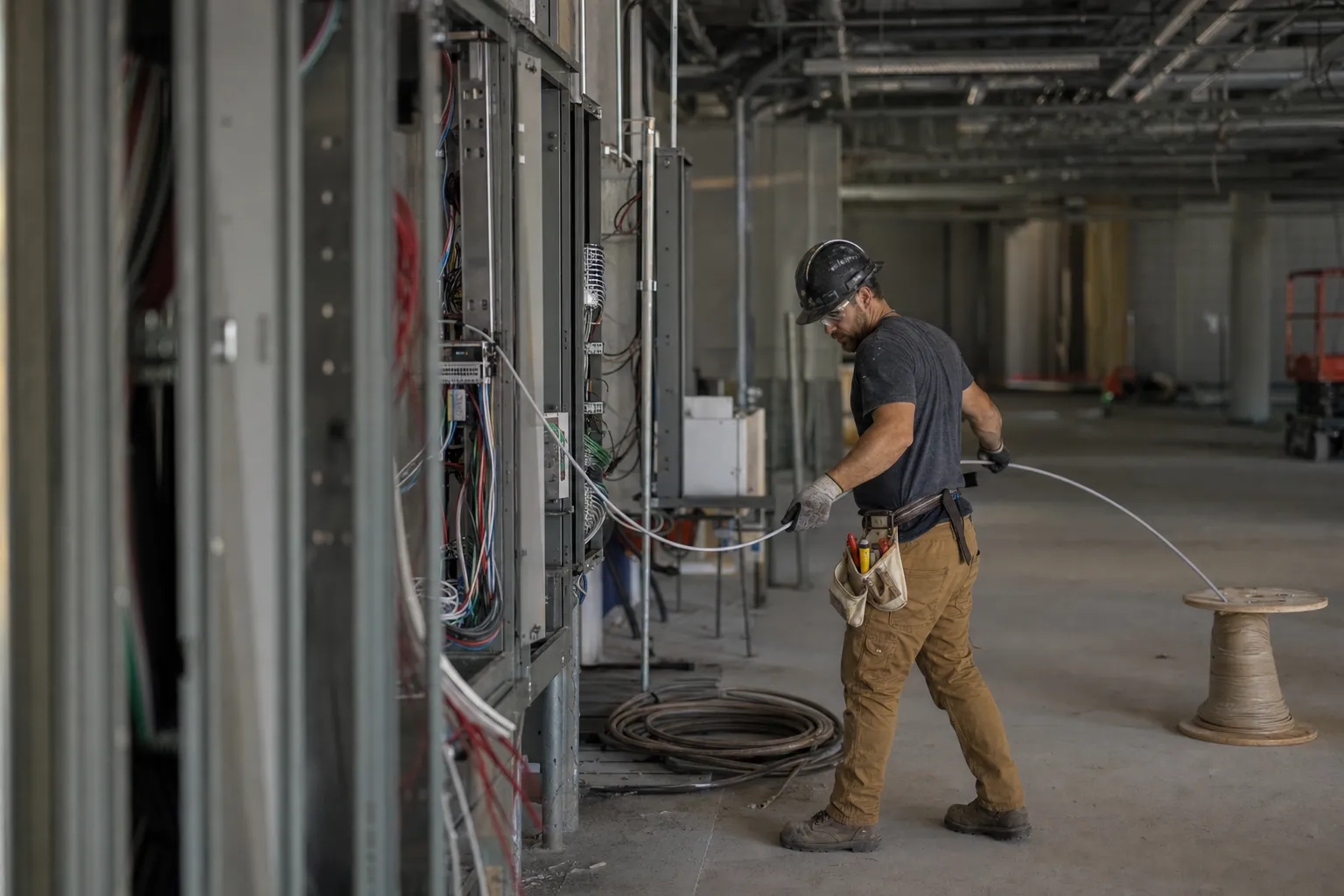
Data centers going up and housing that never stops have shops competing for electricians who can actually do the work. Once you have your journeyman card, the next question is where to point it. General residential and commercial work pays steady, but a specialization can move you toward the top of the range and give you leverage when you talk to employers.
A journeyman electrician typically earns $62K-125K/yr nationally. That is a wide spread, and specialization is a big part of what decides where you land inside it. Below are three paths worth chasing, what the work actually looks like, and how to think about which one fits you.
Why specialize at all
A lot of electricians spend years as a generalist and do fine. But specializing does a few things for you. It narrows the pool of people who can do your job, which matters when shops are short on hands. It builds a story you can tell an employer in one sentence. And it usually pushes you toward the higher end of that $62K-125K/yr journeyman range, because niche skills are harder to replace.
The three below are not the only options, but they are the ones with the most demand behind them right now: industrial controls, low voltage, and solar.
Industrial controls
Industrial controls is the world of PLCs, motor control centers, VFDs, and the wiring that keeps plants, water treatment, and manufacturing lines running. Instead of pulling romex through a house, you are troubleshooting why a conveyor stopped or why a pump will not sequence.
What the work looks like day to day:
- Reading ladder logic and control schematics, not just prints
- Wiring and troubleshooting motor controls, relays, and sensors
- Working alongside automation and instrumentation people
- More diagnostic thinking, less repetitive rough-in
This is a good fit if you like problem solving and you do not mind that the same fault can look different every time. The learning curve is real. You are adding controls logic on top of your electrical fundamentals. But industrial and plant work tends to be steady, and the ability to read and fix control systems is exactly the kind of skill that pushes a journeyman toward the upper end of the pay range.
Low voltage
Low voltage covers the systems that carry data and signal rather than power: structured cabling, security and access control, fire alarm, audio/video, and the network backbone inside a building. With data centers and connected buildings going up, this is one of the fastest-moving corners of the trade.
What the work looks like:
- Running and terminating structured cable, fiber, and network drops
- Installing cameras, access control, and alarm systems
- Cleaner conditions than a lot of line-voltage work, often after the rough-in is done
- Heavy demand tied to data center and commercial buildout
Low voltage can be easier on the body than pulling large feeders all day, and the sheer volume of construction means shops are hungry for people who can do it well. Some low voltage work has its own licensing and certification rules depending on where you are, so check your local requirements before you commit. The upside is a specialization tied directly to where a lot of the new construction money is going.
Solar
Solar work blends electrical fundamentals with photovoltaic systems: panels, inverters, battery storage, and the interconnection back to the grid. On the residential side you are working on roofs and service panels. On the commercial and utility side you are dealing with much larger arrays and higher stakes wiring.
What the work looks like:
- DC wiring of panel strings plus AC tie-in through inverters
- Working with racking, service upgrades, and battery storage
- A mix of rooftop and ground-mount conditions
- Coordinating with utility interconnection requirements
Solar rewards electricians who are comfortable outdoors and want to work with newer technology. Battery storage in particular is growing, and understanding both the DC and AC sides makes you more valuable. As with low voltage, certification expectations vary by area, so confirm what your region asks for.
How to pick between them
There is no wrong answer, but there is a best answer for you. A few honest questions:
- Do you like diagnosis or installation? Controls leans diagnosis. Low voltage and solar lean installation with growing troubleshooting components.
- What are the conditions you want? Solar means roofs and weather. Low voltage is often cleaner indoor work. Controls puts you in plants and mechanical rooms.
- Where is the local demand? A specialization only pays off if shops near you are hiring for it. Data center regions reward low voltage. Manufacturing and utility regions reward controls.
That last point matters most. The $62K-125K/yr range is national. What you actually earn depends on your market and what local employers are short on. Before you invest a year learning a niche, it helps to know which shops in your area are actually competing for that skill.
Where HyprStart fits
Once you know the direction you want, the friction is finding the shops that need it without cold-calling every one in the phone book. That is what we do. You tell us what you do and where you want to go, and we introduce you straight to local shops that are hiring. Employers pay a placement fee only if they hire you. You never pay anything.
If you are ready to point your card at one of these paths, you can get matched with local shops and let the employers who need your specialty come to you. If you want to understand the process first, here is how HyprStart works.
Specializing is not about chasing a title. It is about picking work you can stand doing for years and lining it up with where the local demand actually is. Get those two things right and the pay tends to follow.
Frequently asked questions
Which electrical specialization pays the most?
Pay depends on your market and which skills local shops are short on rather than the specialization alone. A journeyman electrician typically earns $62K-125K/yr nationally, and specializing in industrial controls, low voltage, or solar tends to push you toward the higher end because niche skills are harder to replace.
Is low voltage a good electrical specialization right now?
Yes. Low voltage covers structured cabling, security, access control, fire alarm, and network backbone work, and demand is strong because of data center and commercial buildout. It is often cleaner and easier on the body than line-voltage work, though some low voltage work has its own licensing rules depending on your area.
What does an industrial controls electrician do?
Industrial controls work involves PLCs, motor control centers, VFDs, relays, and sensors that keep plants and manufacturing lines running. It is more diagnostic than repetitive rough-in, so you are often reading ladder logic and troubleshooting faults rather than pulling cable all day.
Do I need extra certification for solar or low voltage electrical work?
Possibly. Both solar and low voltage can have their own licensing or certification expectations depending on where you work. Check your local requirements before committing to either path so you know what is required in your region.
How do I choose between industrial controls, low voltage, and solar?
Ask whether you prefer diagnosis or installation, what conditions you want to work in, and where the local demand is. Controls leans diagnosis, low voltage is often cleaner indoor work, and solar means roofs and weather. A specialization only pays off if shops near you are hiring for it.
Does HyprStart cost anything for electricians?
No. You tell HyprStart what you do and we introduce you directly to local shops that are hiring. Employers pay a placement fee only if they hire you, and the worker never pays anything.
Ready to get introduced, not ghosted?
Tell us what you do. We put you in front of local shops that are hiring. Free to apply.
Get matched →