Community College Trades Programs: What They Cost and What They Actually Get You
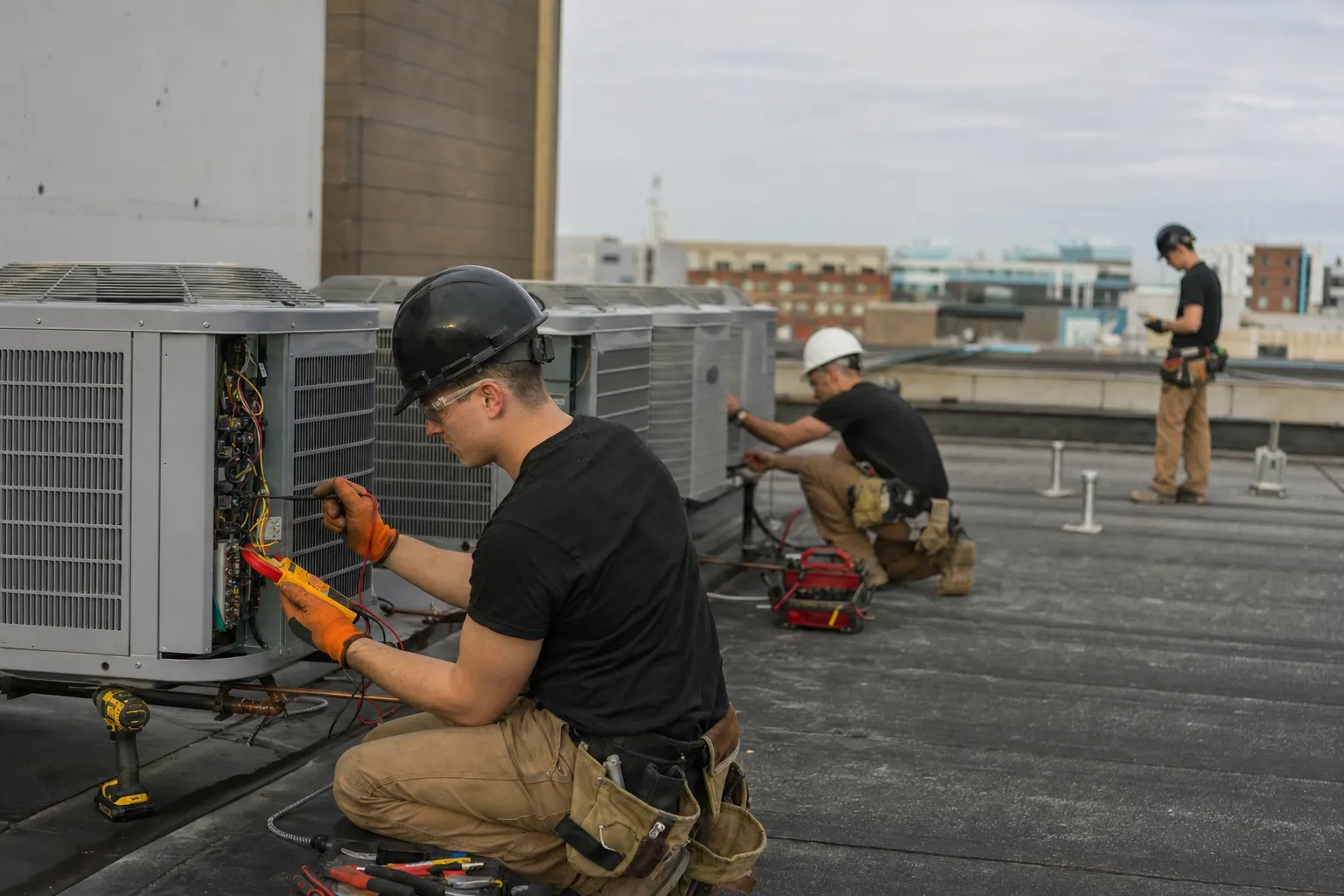
Most people searching for a community college trades program want one answer: will this get me a job, or am I paying for a piece of paper. The honest version is that a community college program is a starting point, not a finish line. It can shorten the ramp into HVAC, electrical, or plumbing, but it does not, on its own, make you a licensed journeyman or a service tech. Knowing exactly what you get for the money is the difference between a smart move and wasted tuition.
What these programs actually cost
Community college is usually the cheapest formal path into the trades, which is a big part of the appeal. Costs vary widely by state, residency status, and whether you go for a short certificate or a full associate degree. Because the exact dollar figure depends on your local district and aid, treat any number you see online as a range and confirm it with the school directly.
A few cost factors that matter more than the sticker price:
- Certificate vs. associate degree. A focused certificate in HVAC, electrical, or plumbing is shorter and cheaper than a two-year associate degree. If your goal is to start working fast, the certificate is often enough.
- Tools and materials. Many trades programs require you to buy your own hand tools, safety gear, and sometimes textbooks. Budget for this separately from tuition.
- Time out of the workforce. The real cost of full-time schooling is the paychecks you are not earning while enrolled. This is where the math gets personal.
Financial aid, grants, and in-state tuition can bring the number down a lot. The point is not that it is free, it is that compared to a four-year degree, the price tag is small relative to what the trades pay.
What a community college program actually gets you
Here is the part the brochures tend to blur. A community college trades program gives you foundational knowledge and, in most states, a credential that counts. What it usually does not give you is a license to work unsupervised. That comes later, through on-the-job hours and a licensing exam.
What you can realistically expect to walk away with:
- Core technical knowledge. Electrical theory, refrigeration cycles, pipe sizing, code basics, blueprint reading. This is real and it matters on day one of a job.
- Hands-on lab time. Good programs put you on actual equipment so you are not completely green when you show up to a shop.
- A certificate or degree that signals to an employer you are serious and have a head start.
- In some cases, credit toward apprenticeship hours. This varies by state and by the specific apprenticeship, so ask before you assume.
What it does not get you:
- An automatic job.
- A journeyman or master license.
- The field hours you need to test for that license.
That last point is the one that trips people up. In the licensed trades, hours in the field under a qualified tradesperson are the currency. School can accelerate you, but it cannot replace those hours.
School vs. starting at a shop
The other path is skipping school and going straight into a shop as a helper or apprentice, learning on the clock and getting paid while you do it. Both paths end in the same place: a licensed, skilled worker earning real money. The question is which ramp fits your situation.
School first makes sense if:
- You want structured theory before you touch tools.
- You are not sure which trade you want and a program lets you sample.
- Your local shops prefer or require some coursework before hiring.
Shop first makes sense if:
- You need income now and cannot afford time out of the workforce.
- You learn better by doing than by sitting in a classroom.
- You already know which trade you want.
Neither path is wrong. Plenty of strong techs went straight to work, and plenty went through a program first. What you want to avoid is finishing a program with no plan for the field hours that actually lead to a license.
The money at the end of the road
The reason the tuition math usually works out is what the licensed trades pay once you are qualified. These are national market ranges, not a promise, and your number depends on your region, your experience, and your specialty:
- HVAC service tech: $50K to $95K per year.
- Electrical journeyman: $62K to $125K per year.
- Plumbing journeyman: $60K to $130K per year.
Against those numbers, a community college certificate or degree is a modest investment. The catch, again, is that you reach the top of those ranges through field experience and licensing, not through a diploma alone.
How to decide if a program is worth it
Before you enroll, get concrete answers to a few questions:
- Does this program's coursework count toward apprenticeship hours in my state? If yes, you are not starting from zero after graduation.
- Do local shops hire people out of this program? Ask the school for placement details, and ask shops directly what they look for.
- What is the real total cost, including tools and lost wages?
- How long until I can realistically test for a license?
If you can line up a shop that will take you after school, or even one that will hire you now and let you learn on the job, the program becomes a tool rather than a gamble. That is where talking to employers early pays off. You can get matched with local shops and find out what they actually want before you spend a dollar on tuition, which beats guessing.
Where HyprStart fits
HyprStart is not a school. We are a direct-hire service for HVAC, electrical, and plumbing. You tell us what you do, and we introduce you straight to local shops that are hiring. Employers pay a placement fee only if they hire you, and the worker never pays anything. If you are weighing a community college program, the smartest first step is finding out whether local shops would rather hire you now and train you, or prefer you come in with coursework. That changes your whole plan. You can read how HyprStart works if you want the full picture before you decide.
A community college trades program is a legitimate, affordable on-ramp. Just go in clear-eyed: it buys you knowledge and a head start, not a license and not a guaranteed job. Pair it with a real path to field hours and a shop that wants you, and the math almost always works.
Frequently asked questions
How much does a community college trades program cost?
It varies widely by state, residency, and whether you pursue a short certificate or a full associate degree. Certificates are shorter and cheaper than degrees. Beyond tuition, budget for tools, safety gear, and the wages you give up while studying full time. Confirm the exact figure with your local district, since financial aid and in-state rates can change it significantly.
Does a community college program make me a licensed tradesperson?
No. A certificate or degree gives you foundational knowledge and a credential, but in most states it does not grant a license to work unsupervised. Licensing in HVAC, electrical, and plumbing requires on-the-job field hours under a qualified worker plus passing an exam. School can accelerate the path but cannot replace those hours.
Is community college or starting at a shop better for getting into the trades?
Both end in the same place. School first suits people who want structured theory, are unsure which trade to pick, or whose local shops prefer coursework. Shop first suits people who need income now, learn by doing, and already know their trade. Avoid finishing a program with no plan for the field hours that lead to a license.
How much do licensed trades workers earn?
These are national market ranges, not guarantees, and depend on region, experience, and specialty: HVAC service techs typically earn $50K to $95K per year, electrical journeymen $62K to $125K per year, and plumbing journeymen $60K to $130K per year. You reach the top of these ranges through field experience and licensing.
Will my community college coursework count toward an apprenticeship?
Sometimes. In some states and for some apprenticeships, coursework earns credit toward required hours, which means you are not starting from zero after graduation. This varies, so ask both the school and the specific apprenticeship program before you assume it applies to you.
How can I tell if a trades program is worth it before enrolling?
Ask whether the coursework counts toward apprenticeship hours in your state, whether local shops hire from the program, the real total cost including tools and lost wages, and how long until you can test for a license. Talking to employers early tells you what they actually want before you spend money on tuition.
Ready to get introduced, not ghosted?
Tell us what you do. We put you in front of local shops that are hiring. Free to apply.
Get matched →