Becoming an Electrician in the Bay Area: Pay, Certification, and How to Break In
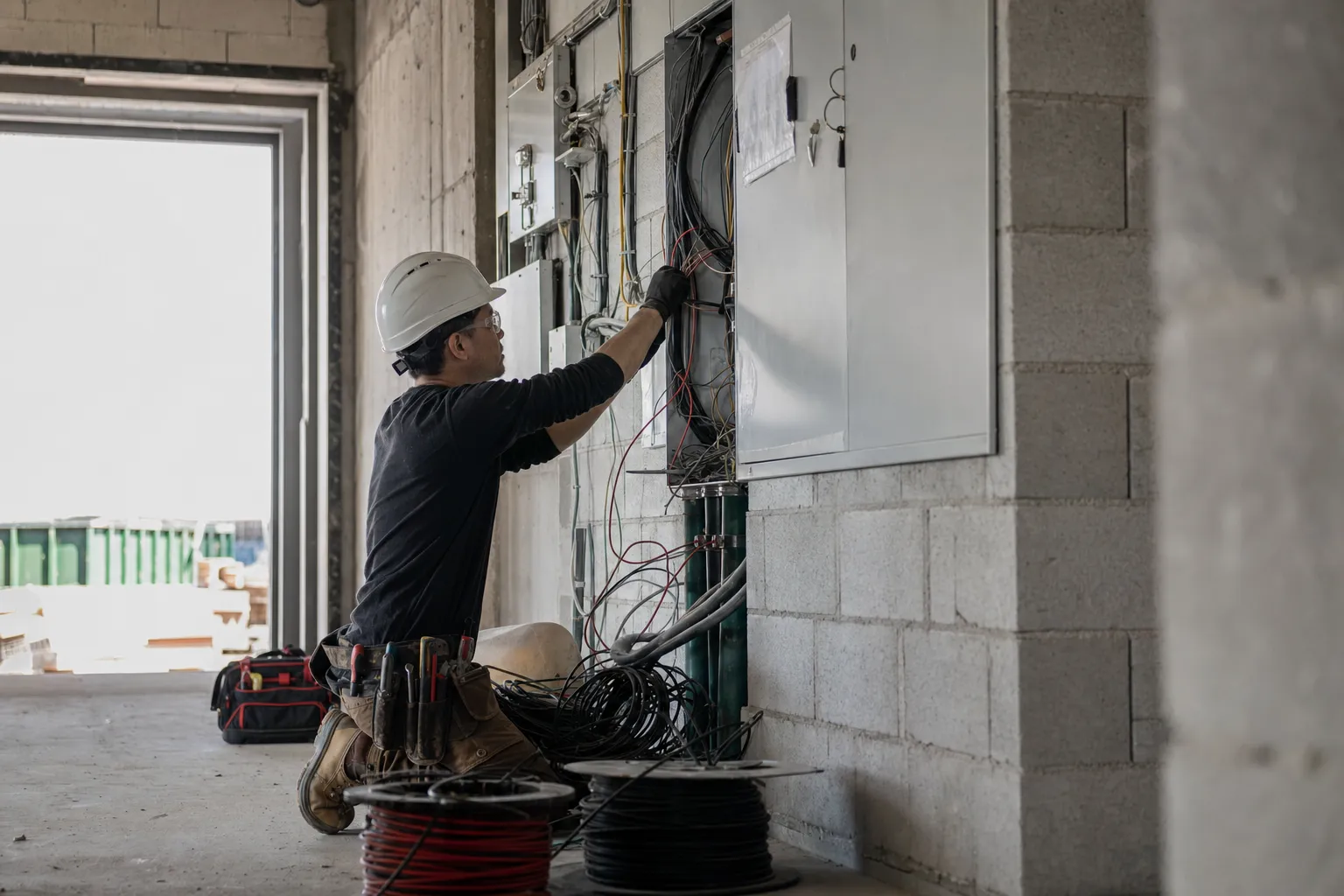
The Bay Area pays electricians among the best rates in the country. Union scale runs well north of $60 an hour, and shops compete hard for licensed hands. If you are thinking about getting into the trade here, that competition works in your favor, because it means employers are willing to bring people in and train them.
This guide covers three things: what electrical work actually pays at each stage, what license or certification California requires, and how to get your foot in the door even if you are starting from zero.
What electrical work pays in the Bay Area
Pay tracks closely with where you are in your career. These are market ranges for the area, not an offer or a guarantee, but they give you a realistic picture of the ladder.
- Apprentice: $45K to $68K per year, roughly $22 to $33 an hour. This is where you start while you are learning the trade and logging hours.
- Journeyman: $85K to $125K per year, roughly $41 to $60 an hour. This is the typical earning band once you are certified and working independently.
- Lead or foreman: $135K and up, roughly $65 an hour and up. This is where you land once you are running crews and taking responsibility for jobs.
The typical pay for a working electrician in the region sits in that $85K to $125K per year range. The jump from apprentice to journeyman is the biggest single step in your earnings, which is why getting certified matters so much financially.
The certification you actually need
Here is the part that trips up a lot of people. California requires state electrician certification, known as the ECT, to work for a licensed C-10 contractor. That is the credential that lets you do the work under a licensed shop.
But you do not need it on day one. You can start as a trainee while you log hours toward certification. Many Bay Area shops hire trainees and sponsor the path to certification. That means you can be earning apprentice wages and building your hours at the same time, with an employer backing you through the process.
So the honest answer to "do I need to be certified to start" is no. You need to be certified to work as a full electrician for a C-10 contractor, and getting there is the goal, but the entry point is a trainee role that many local shops are actively filling.
How to break in
Breaking into the trade in the Bay Area comes down to a few practical steps.
1. Decide you are serious about logging hours
Certification is earned through documented work hours plus the state process. If you go in as a trainee, you are on the clock toward that from your first day. Treat the trainee period as paid training, not a dead end.
2. Find a shop that hires and sponsors trainees
This is the single most important move. Not every shop takes on trainees, but many in the area do, and they will sponsor the certification path. A shop that sponsors you is investing in you, which usually means steady work and a clear route to journeyman pay.
3. Show up with the basics
You do not need a resume full of electrical experience to start as a trainee. Shops hiring trainees expect to teach. What they want is reliability, a willingness to learn, and someone who shows up on time and does the work.
4. Get matched instead of cold applying
Applying blindly to every listing is slow and frustrating. HyprStart takes a different approach. You tell us what you do, and we introduce you straight to local shops that are hiring. Employers pay a placement fee only if they hire you. You never pay anything. If you are ready to move, you can get matched with local shops and skip the guesswork.
Why the Bay Area is a strong place to do this
The combination of high pay and strong demand is unusual. In a lot of markets you either get good wages or you get plenty of open roles, not both. Here, journeyman pay in the $85K to $125K range sits alongside real competition for licensed hands, which is what pushes employers to hire and train trainees in the first place.
That demand is your leverage. Because shops need people, they are more open to bringing in someone new and sponsoring their certification than they might be in a slower market. The path from a $45K to $68K trainee role up to a $135K and up lead position is a real ladder here, not a theoretical one.
What to expect once you are working
Expect the early stretch to be about learning fundamentals: pulling wire, bending conduit, understanding code, and getting comfortable on job sites. Expect your pay to climb as your hours and skills build. And expect the biggest financial change to come when you cross from trainee or apprentice into certified journeyman work, because that is where the wage band roughly doubles from the entry level.
If you want to see what roles look like right now, you can browse electrical jobs in Bay Area to get a feel for the market before you commit.
The short version
Electrical work in the Bay Area pays well, from $45K to $68K as an apprentice up to $135K and beyond as a lead. California requires the state ECT certification to work for a licensed C-10 contractor, but you can start as a trainee and log hours while many local shops sponsor your path to it. The fastest way in is to get in front of a shop that is actively hiring and willing to train.
Frequently asked questions
Do I need a license to start working as an electrician in the Bay Area?
No. California requires state electrician certification, the ECT, to work for a licensed C-10 contractor, but you can start as a trainee while you log hours. Many Bay Area shops hire trainees and sponsor the certification path.
How much do electricians make in the Bay Area?
Typical pay for a working electrician runs $85K to $125K per year. Apprentices earn $45K to $68K per year, journeymen earn $85K to $125K, and leads or foremen earn $135K and up. These are market ranges for the area.
What certification do California electricians need?
California requires state electrician certification, known as the ECT, to work for a licensed C-10 contractor. You earn it by logging hours and completing the state process, and many local shops sponsor trainees through it.
Can I get paid while working toward my certification?
Yes. You can start as a trainee earning apprentice wages of roughly $22 to $33 an hour while you log the hours needed toward certification, often with an employer sponsoring the path.
How do I find a Bay Area shop that hires trainees?
Look for shops that hire and sponsor trainees, since not all do. With HyprStart you tell us what you do and we introduce you directly to local shops that are hiring. The employer pays a fee only if they hire you, and you never pay anything.
What is the highest pay for electricians in the Bay Area?
Lead and foreman roles start around $135K per year, or about $65 an hour and up, once you are running crews and taking responsibility for jobs.
Ready to get introduced, not ghosted?
Tell us what you do. We put you in front of local shops that are hiring. Free to apply.
Get matched →