A Real Day in the Life of a Trades Apprentice: Hours, Tools, and What Nobody Warns You About
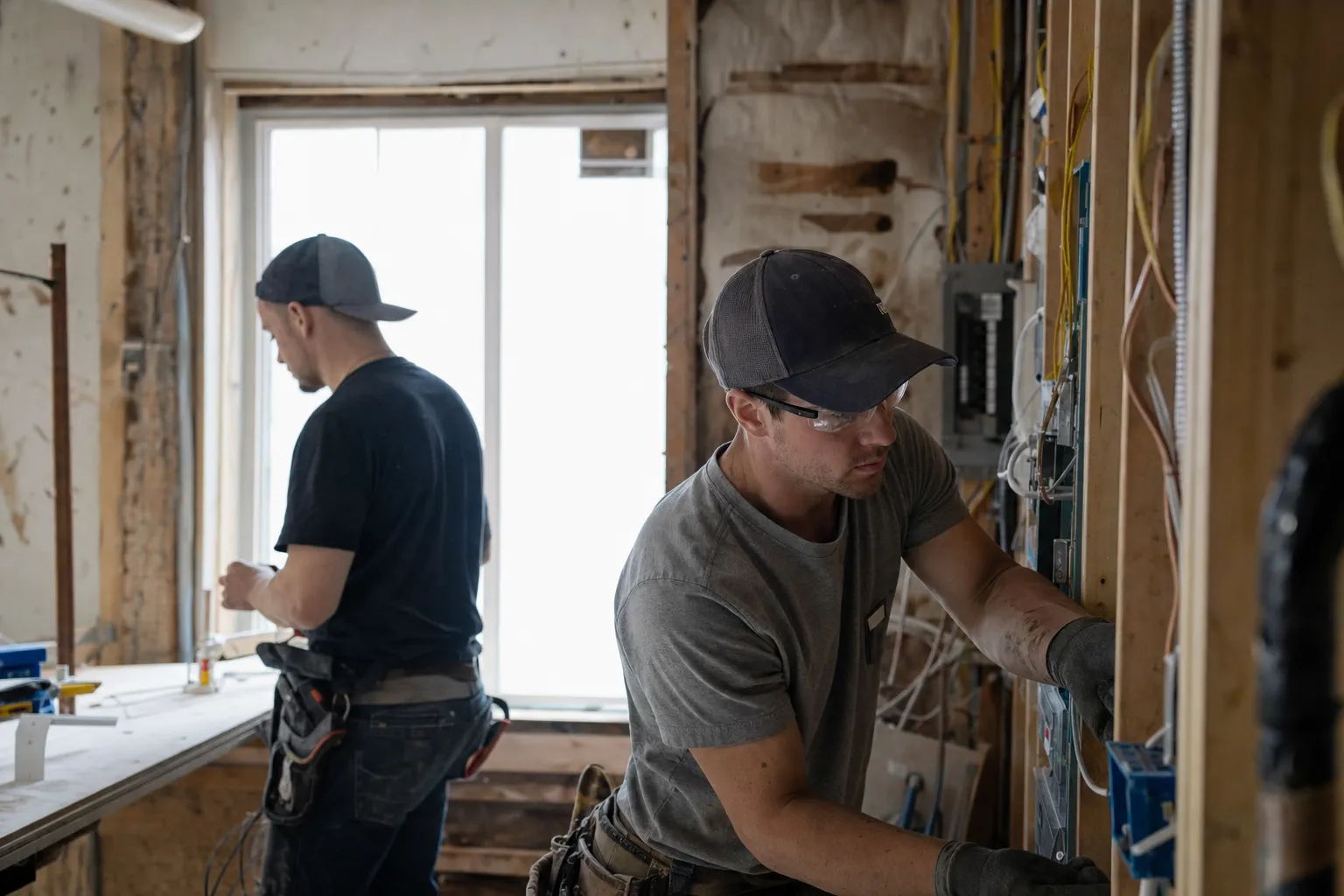
Most trades apprentices are awake before the sun, loading a truck or standing at a supply counter by 7 a.m. while the rest of the world is still hitting snooze. That early start is the first thing nobody really warns you about, and it sets the tone for everything else. If you are weighing an apprenticeship in HVAC, electrical, or plumbing, here is what a real day actually looks like, minus the recruiting-brochure gloss.
The clock: when the day starts and ends
Apprentice hours are built around when the work gets done, not around a fixed office schedule. On most residential and commercial jobs, that means an early morning meet-up at the shop or the first site. You load material, check the day's tickets, and roll out.
A typical field day runs long. You might be on site by 7 and not wrapping until mid to late afternoon, and on install days or emergency calls it can stretch further. Overtime shows up when a job runs behind or when a system fails and a customer has no heat, no power, or no water. The upside is that overtime often pays more per hour. The downside is that you do not always control when it lands.
Some apprentices also have classroom or online coursework tied to their program. That study time is real work too, and it tends to happen after the physical day is done. Learning to manage both is one of the quiet skills that separates people who finish from people who quit.
What you actually do all day
The honest answer: a lot of the day is prep, cleanup, and carrying things. Apprentices are there to learn, and you learn by doing the parts a journeyman has already mastered.
- Fetching and staging material. You are the one who knows where the fittings, wire, or refrigerant lines are and gets them to the person installing.
- Demo and rough-in support. Pulling old equipment, drilling, running conduit or pipe, holding the other end of a measurement.
- Cleanup. A clean job site is a safe job site, and it is almost always the apprentice's job to keep it that way.
- Watching and asking. The apprentices who move up fastest ask why, not just how.
Across HVAC, electrical, and plumbing the mix differs, but the structure is the same: you support the skilled work, and over time you get handed more of it.
The tools: what you buy and what you carry
New apprentices are often surprised that some tools come out of their own pocket. Employers usually supply the big, expensive, and specialized equipment. You are typically expected to show up with a basic hand-tool kit and build from there as you learn what you actually reach for.
Expect to carry and maintain your own:
- Hand tools like screwdrivers, pliers, and a good tape measure
- A reliable pair of work boots, which matter more than any single tool
- Personal protective gear as required on site
- A tool bag or pouch you can move with quickly
The hidden cost here is real, and it is worth budgeting for in your first months. The upside is that a well-kept personal kit signals to a shop that you take the trade seriously, and that reputation follows you.
What nobody warns you about
Your body is part of the job
Attics in summer, crawl spaces in winter, kneeling on concrete, and lifting equipment up stairs. The physical toll is the thing seasoned tradespeople wish someone had told them earlier. It is manageable, but you have to protect yourself early: lift with your legs, wear the knee pads, drink water, and take the boot investment seriously.
The first year is mostly humility
You will not be running the job. You will be handed the least glamorous tasks, and that is by design. The apprentices who accept that and stay curious get taught more. The ones who act like the grunt work is beneath them get taught less.
The pay grows with your skill, not your seniority alone
Apprentice pay starts modest, and that is the trade-off for getting paid to learn instead of paying tuition. What matters is the path. As you gain hours and licenses and move toward journeyman, the numbers change a lot.
Based on national market ranges, here is where the roles you are working toward tend to land:
- HVAC service tech: roughly $50K to $95K per year
- Electrical journeyman: roughly $62K to $125K per year
- Plumbing journeyman: roughly $60K to $130K per year
Those are market ranges, not a guarantee or an offer, and where you land depends on your area, your hours, your specialty, and your license. But they show why the early grind is worth pushing through. The apprentice years are the down payment on a journeyman income.
Nobody hands you the next opportunity
One thing that surprises a lot of apprentices is how much of career growth is about being in the right shop. A shop that keeps you on repetitive demo for two years is not the same as one that rotates you through real installs and troubleshooting. If you are trying to break in or move to a shop that will actually teach you, you can get matched with local shops that are hiring, and you never pay a fee for it.
How to make your first year count
- Show up early and consistent. Reliability is noticed before skill is.
- Build your kit deliberately. Buy the tools you keep reaching for, and keep them clean.
- Ask specific questions. "Why this size line" beats "what do you want me to do next."
- Track your hours and coursework. They are the currency that gets you to journeyman.
- Protect your body from day one. The people still working comfortably at 50 started good habits at 20.
Is an apprenticeship worth it?
If you want to earn while you learn, avoid tuition debt, and end up in a licensed role with strong pay ranges, the math is hard to argue with. The early days are physical, humble, and longer than a desk job. But the trades reward people who stick, and the difference between a decent first year and a wasted one is often just landing at a shop that invests in you.
If you want the short version of how the matching side works, here is how HyprStart works: you tell us what you do, we introduce you to local shops that are hiring, and the employer pays a placement fee only if they hire you. The worker never pays anything.
Frequently asked questions
What are the typical hours for a trades apprentice?
Expect early starts, often on site by around 7 a.m., with field days running into the mid to late afternoon and longer on install or emergency calls. Overtime shows up when jobs run behind or when a customer has no heat, power, or water, and it usually pays more per hour. Many apprentices also have coursework on top of the physical day.
Do apprentices have to buy their own tools?
Usually you buy a basic hand-tool kit yourself and build it over time, while the employer supplies the big, expensive, and specialized equipment. Plan to own your hand tools, a good pair of work boots, personal protective gear, and a tool bag. Budget for this cost in your first months.
How much can you earn after finishing a trades apprenticeship?
National market ranges for the roles you work toward are roughly $50K to $95K per year for an HVAC service tech, $62K to $125K for an electrical journeyman, and $60K to $130K for a plumbing journeyman. These are market ranges, not guarantees, and actual pay depends on your area, hours, specialty, and license.
What is the hardest part of being a trades apprentice?
The physical demands and the humility of the first year. You work in attics, crawl spaces, and on concrete, and you spend a lot of time on prep, material handling, and cleanup rather than the skilled work itself. Protecting your body early and staying curious are what get you taught more and moved up faster.
Is a trades apprenticeship worth it?
For many people, yes. You earn while you learn instead of paying tuition, and you end up in a licensed role with strong pay ranges. The early days are long and physical, but the trades reward people who stick with it, especially when they land at a shop that actually invests in teaching them.
How do I find a shop that will actually teach me?
Look for a shop that rotates you through real installs and troubleshooting rather than keeping you on repetitive demo. HyprStart can match you with local shops that are hiring, the employer pays a placement fee only if they hire you, and the worker never pays anything.
Ready to get introduced, not ghosted?
Tell us what you do. We put you in front of local shops that are hiring. Free to apply.
Get matched →